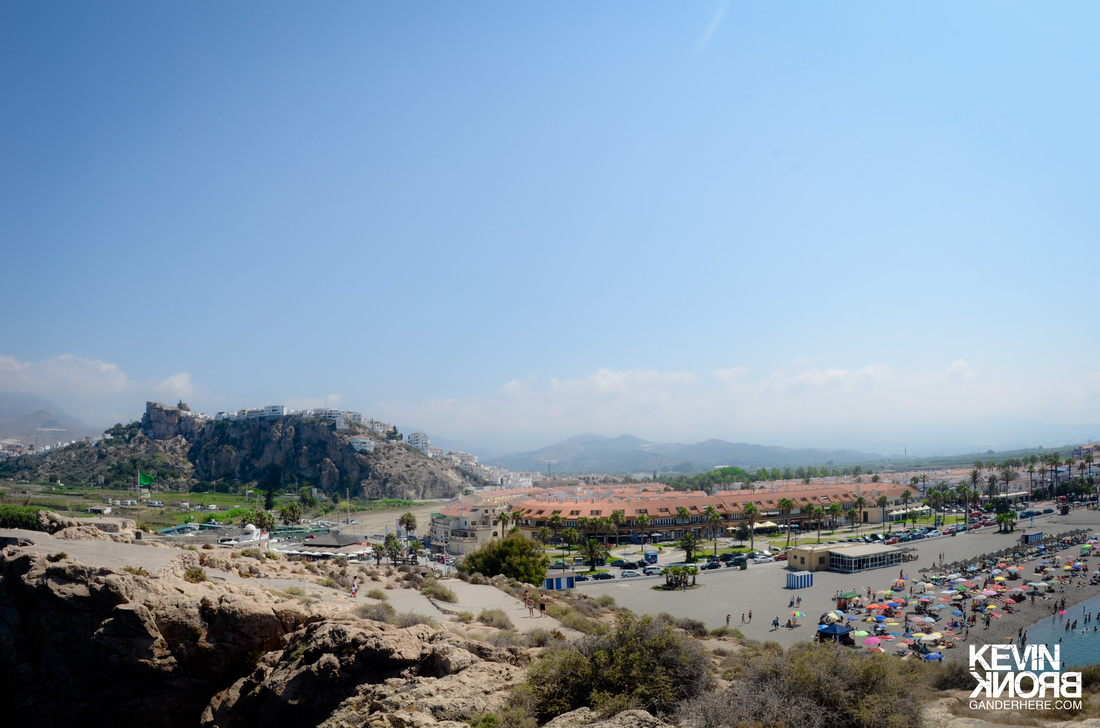
Pamplona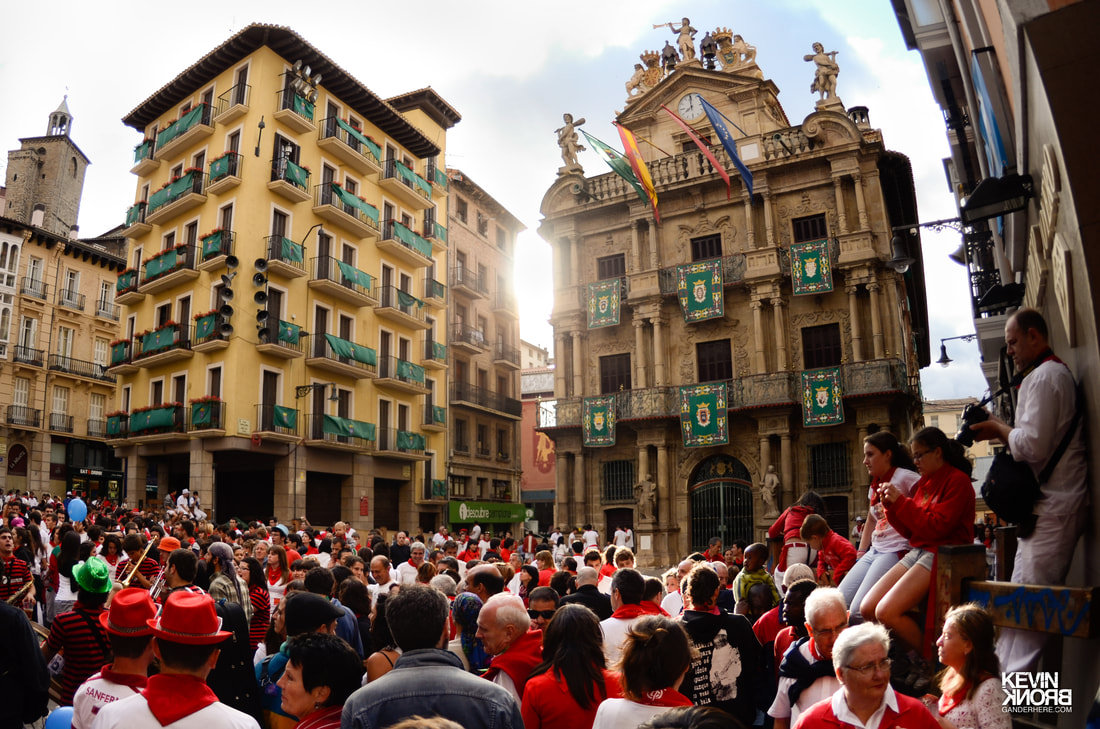

Wandering the streets of San Francisco one night in late April of 2012, my friend Alejandro posed an interesting question. "Want to go to Spain this summer?" he asked.
Aware Alejandro had lived in southern Spain for some time and currently taught high school Spanish, the idea seemed air tight. I processed the question, quickly failing to find a single reason why not. "Yes," I said 15 seconds later. Fast forward to July, I returned to San Francisco from an amazing two week jaunt to Alaska and unpacked my jackets and pants then repacked my t-shirts and shorts and hopped on a flight to Madrid via JFK to meet Alejandro and his long time friend Arne. I arrived in Spain and had a cup of airport coffee before stepping on a bus en rout to Pamplona, where Arne and Alejandro had been for the last couple days. I arrived, the party already in full swing. Below is a written and visual account of the two weeks Alejandro, Arne and I traveled across Spain. Above is a video, splicing the journey into a photo-video, driven by motion.
click to jump to location. scroll for full photo immersion.
la gran fiesta
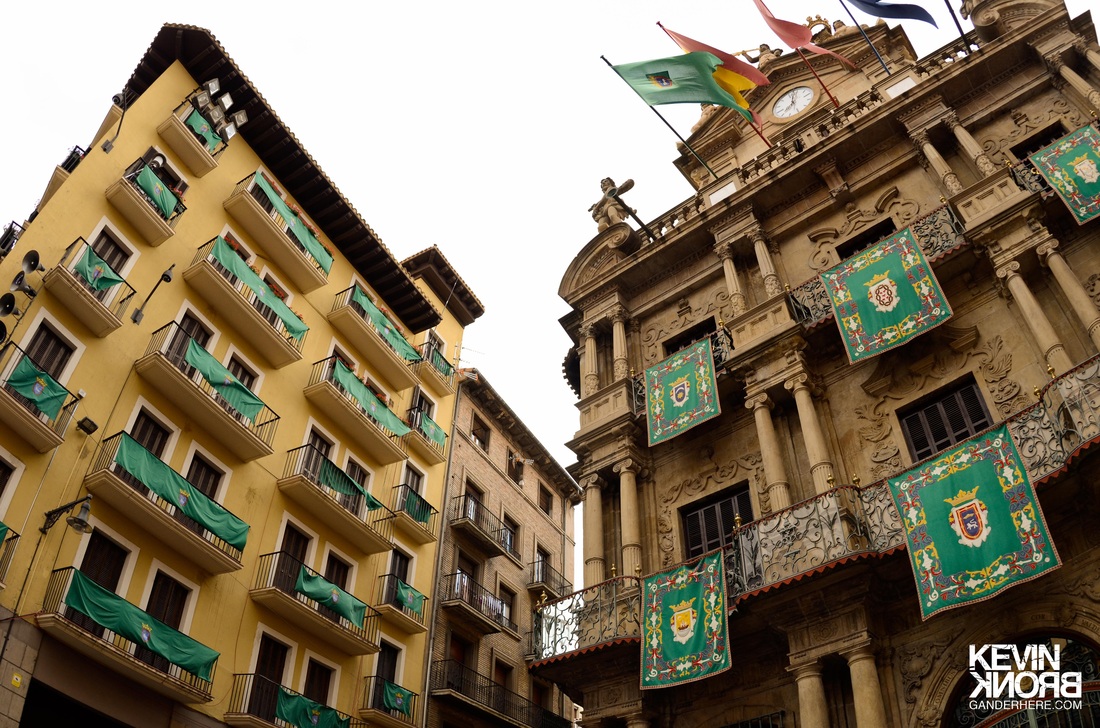

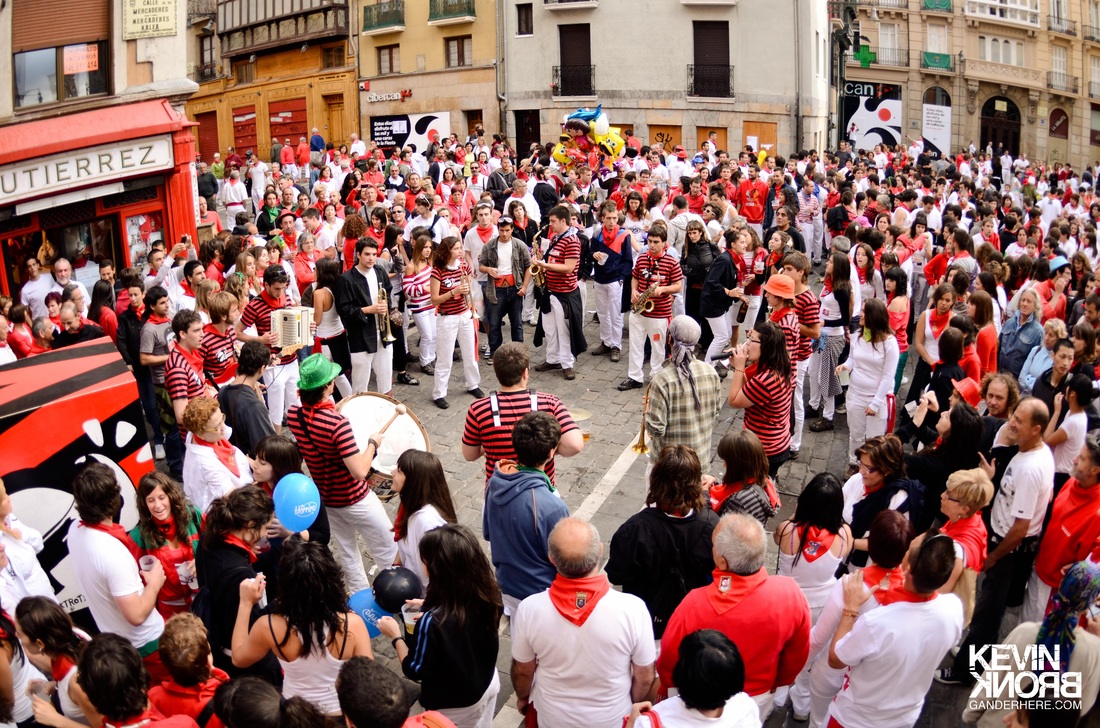
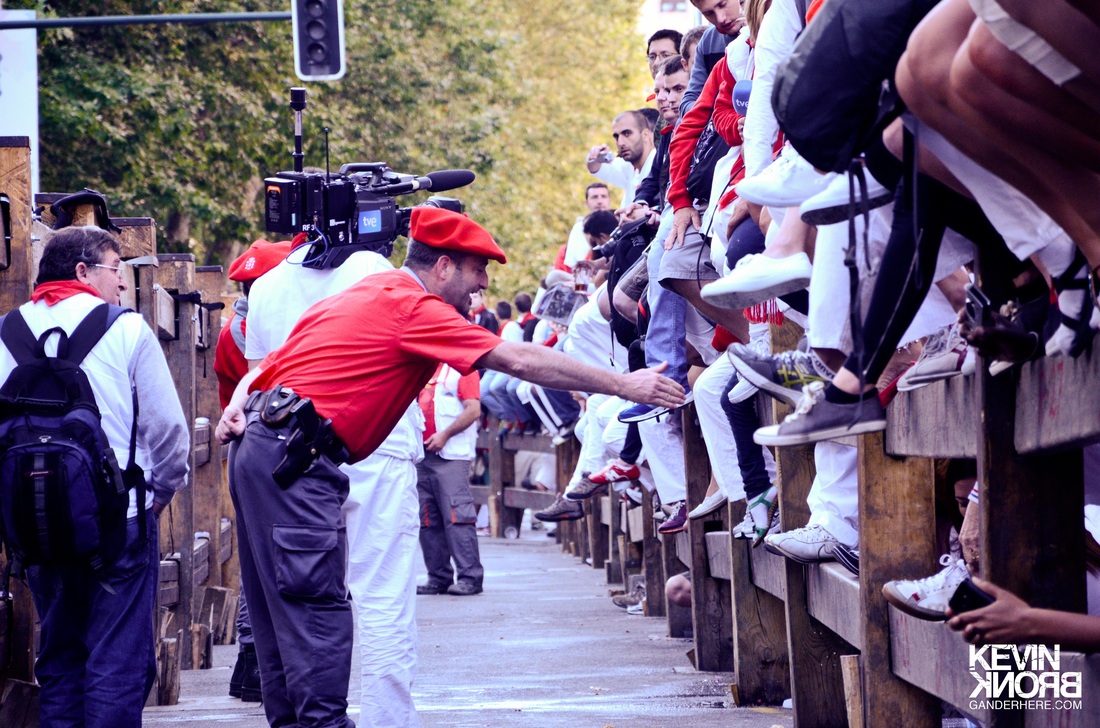
Before my bus even arrived in Pamplona, I was surrounded by Spaniards clad in all white and red, prepared for the annual San Fermín Festival. Every year, more than a million flock to Pamplona in early July for a week-long celebration where they drunkenly wander the narrow alleys, strewn with broken bottles, crushed plastic cups, urine and a mysterious mix of ambiguous clutter. Nearly everybody is dressed in the traditional San Fermín white and red, sporting red bandanas called pañuelicos to commemorate the Saint Fermin, the beheaded saint, martyred in AD 303 by the French.
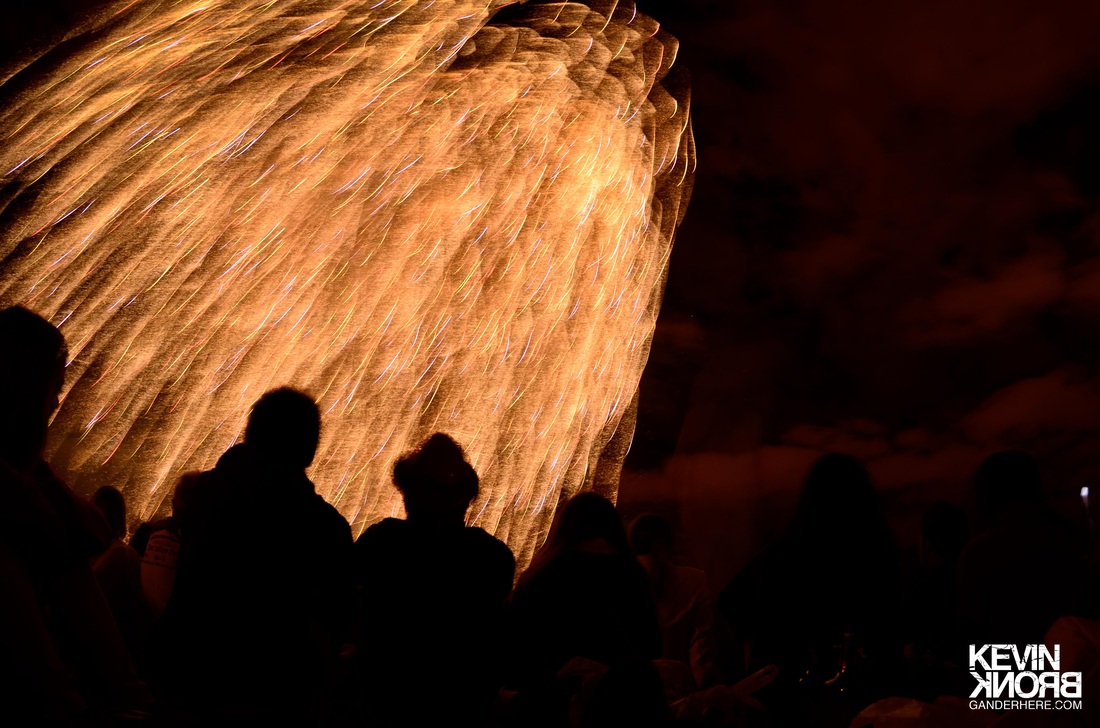
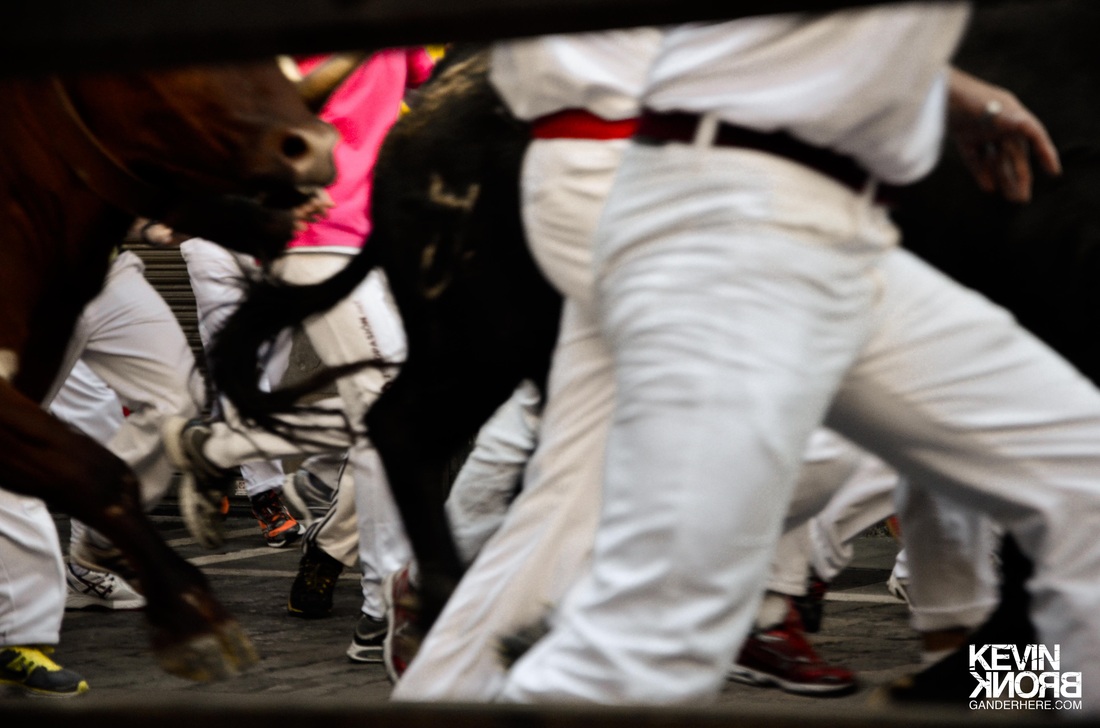
Many people are covered in red wine, their white shirts and pants soaked pink and purple. Technically, San Fermín is a festival to honor Saint Fermín; in practice, it's one of the biggest parties in Spain. We thought it would be a good place to start our journey. Best known for the running of the bulls, which happens every morning at 8 am, my memories more vividly focus on the incredible people out all evening dancing, drinking, and dashing around the packed streets of the city center until the early afternoon. Arne and Alejandro knew our wonderful host Carmen since high school. A petitie and reserved young lady with a relaxed and social attitude, she eased my transition into Spain and San Fermín. She was home for the summer from university; her parents agreed to let us stay in their cozy apartment a short bus ride away from the city center where the festival flashed us with consistant debauchery. Carmen led us through the crowded party streets, through truly spicy festivities, introducing us to her friends, many of whom also traveled to Pamplona to honor Saint Fermín. Our days began around 9:00 pm; twelve spinning hours of fireworks, dance, and drink passed until our heads hit the pillow just to dream rumbles of bass and dance and awake to another day of the same. We survived the last night of San Fermín, although we didn't kick off our crusted shoes to sleep until 7:30 am. Due to travel plans, we were up by noon, showering and preparing for our departure to León. Carmen's parents, who I hadn't yet had the opportunity to talk with much, prepared us a delightful lunch, filled with political and ideological discussions in broken English and Spanish. Her father is an engineer and a business man who just started his own efficency consulting company. He spoke about how important it is for businesses to operate with grounded logic, rather than bustling emotion, as so many do - especially in tough economic times. I'm still floored how kind Carmen and her family were in hosting us. They cooked us meals, filled our cups with aged wine and dark espresso, refusing to allow us to clean our dishes or help prepare food. Much thanks to Carmen and her gracious family for hosting us during this wild week. 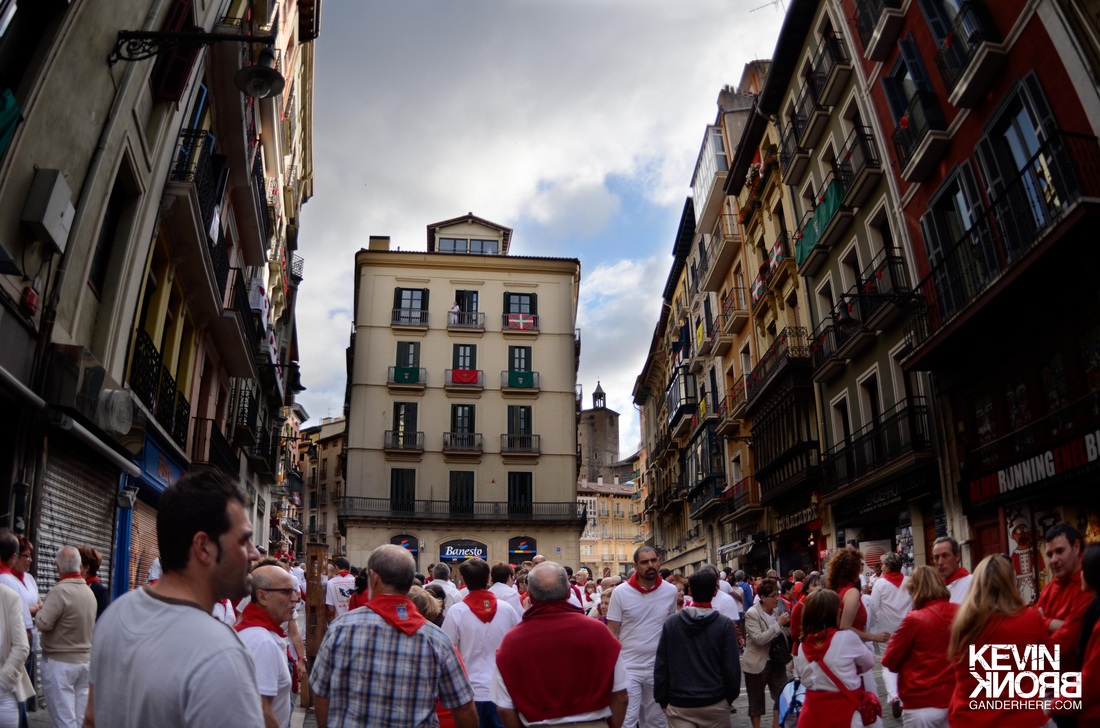


San Sebastían
un descanso de la fiesta
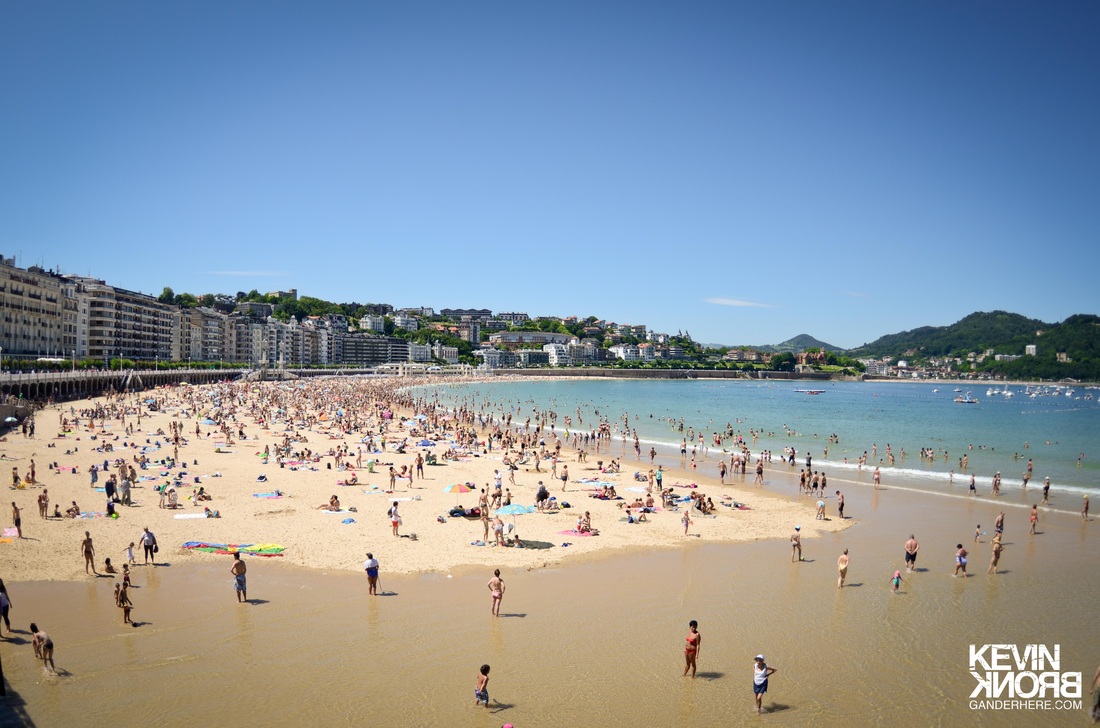
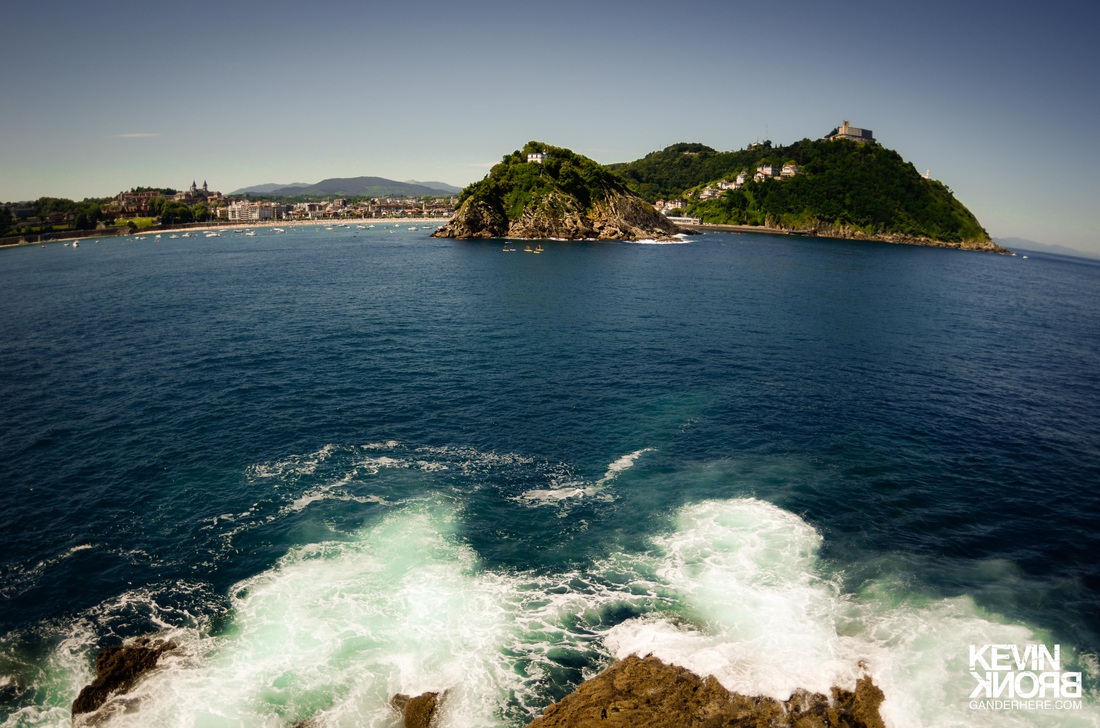
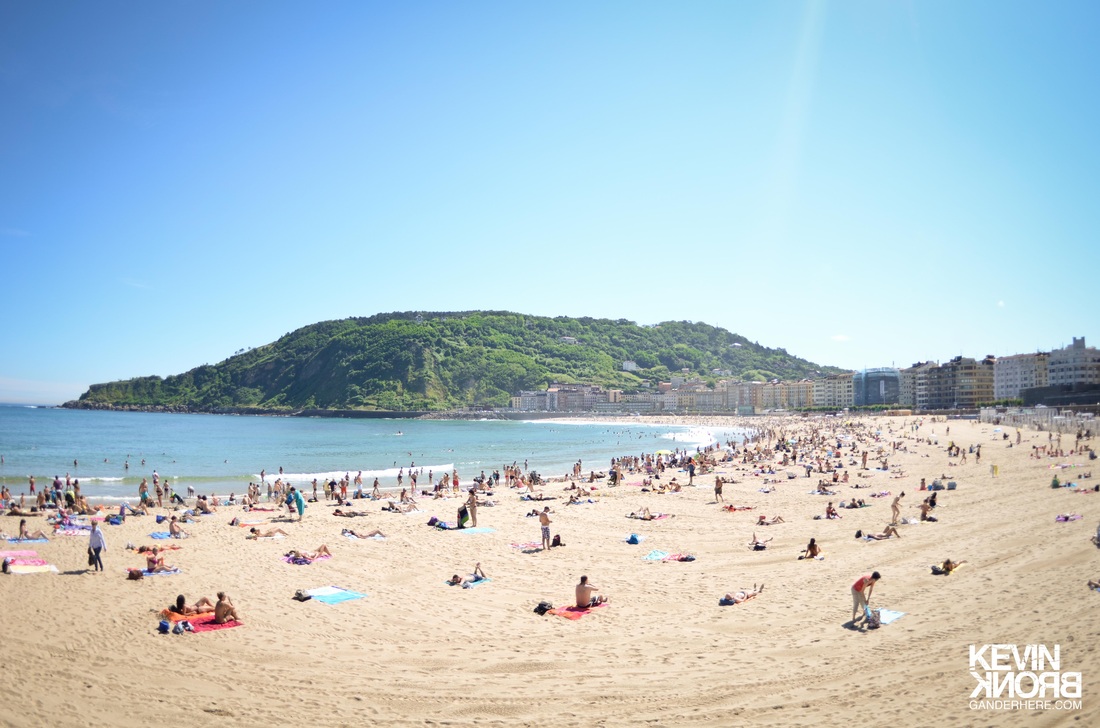
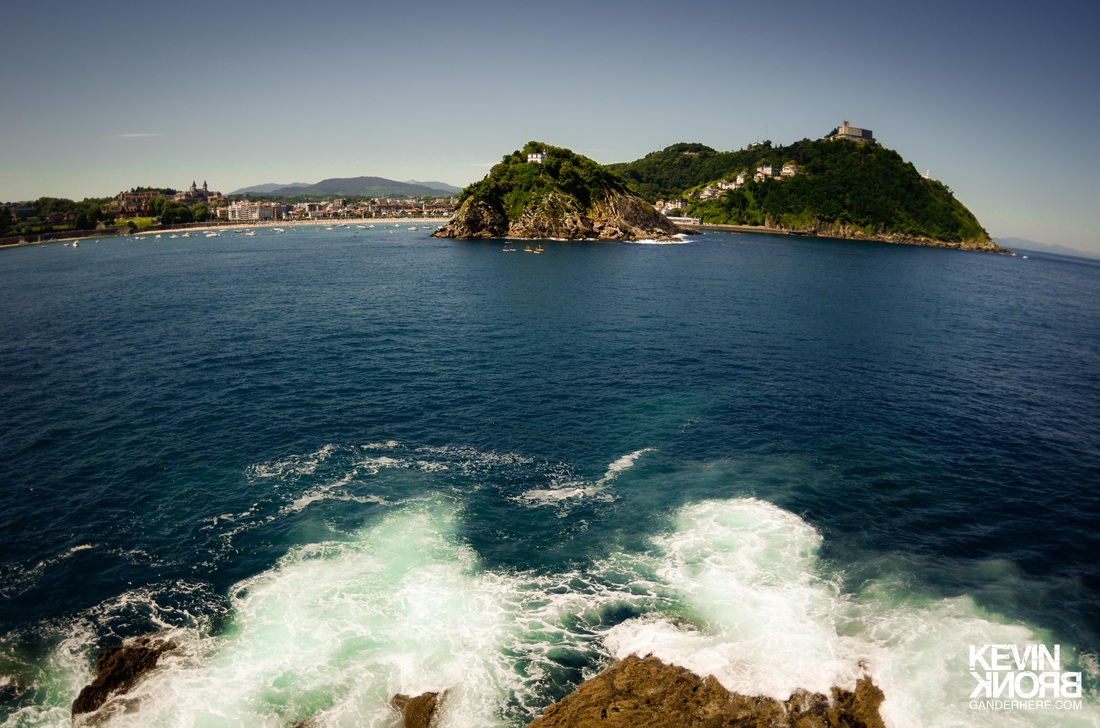
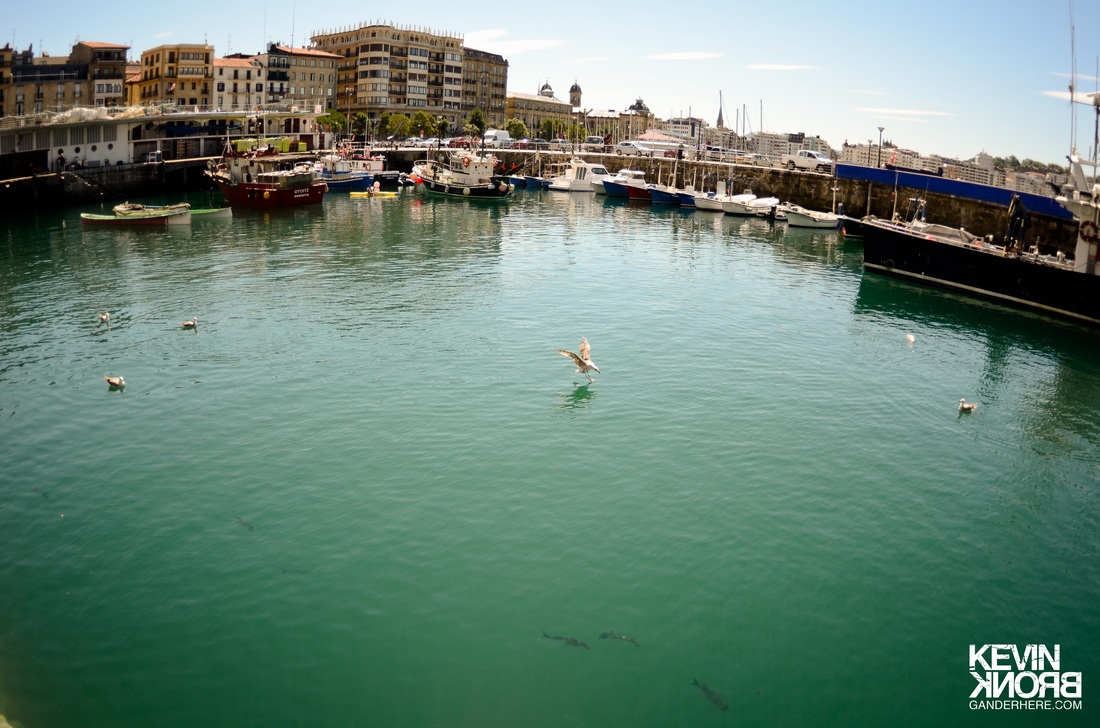
The glowing beaches of San Sebastían rivaled any other stop on our spattering tour of Spain. Although the warm sand hosted thousands of unique footsteps, the crowded beach was a relaxing way to spend the day in the sun. A little over an hour bus ride from Pamplona provided us with relaxing afternoon filled with heat, tapas, and drinks. I even managed to run into a dear friend from the states while working out travel logistics in the train station. A notable day, indeed.


León
iglesias, tapas y amigos
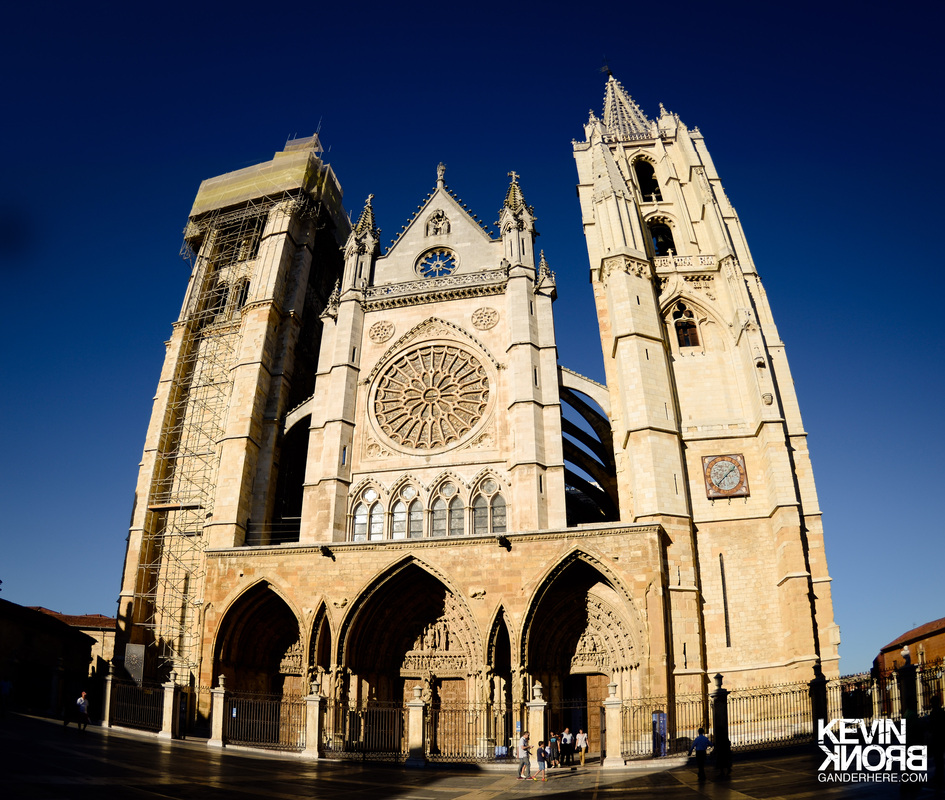
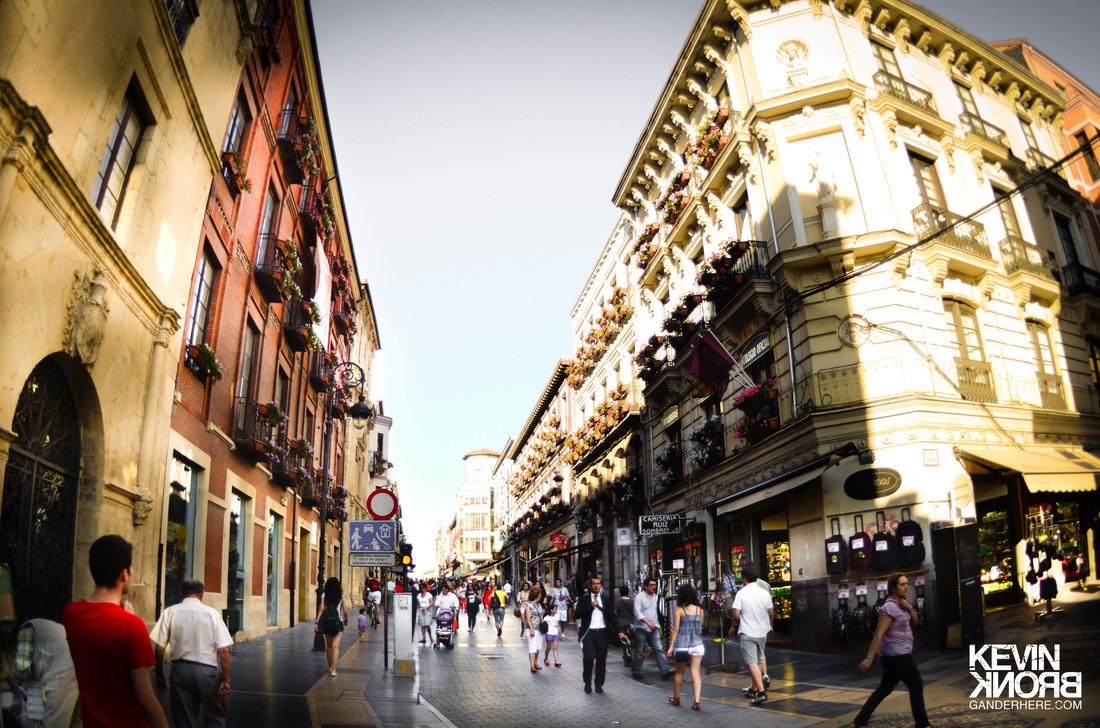
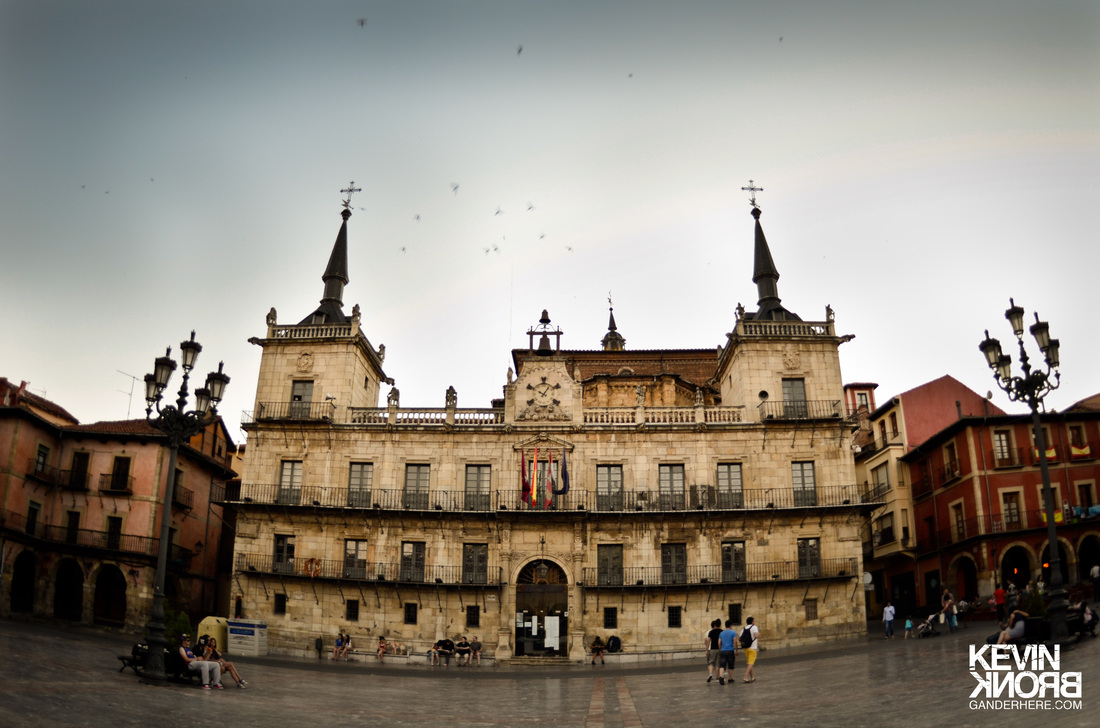
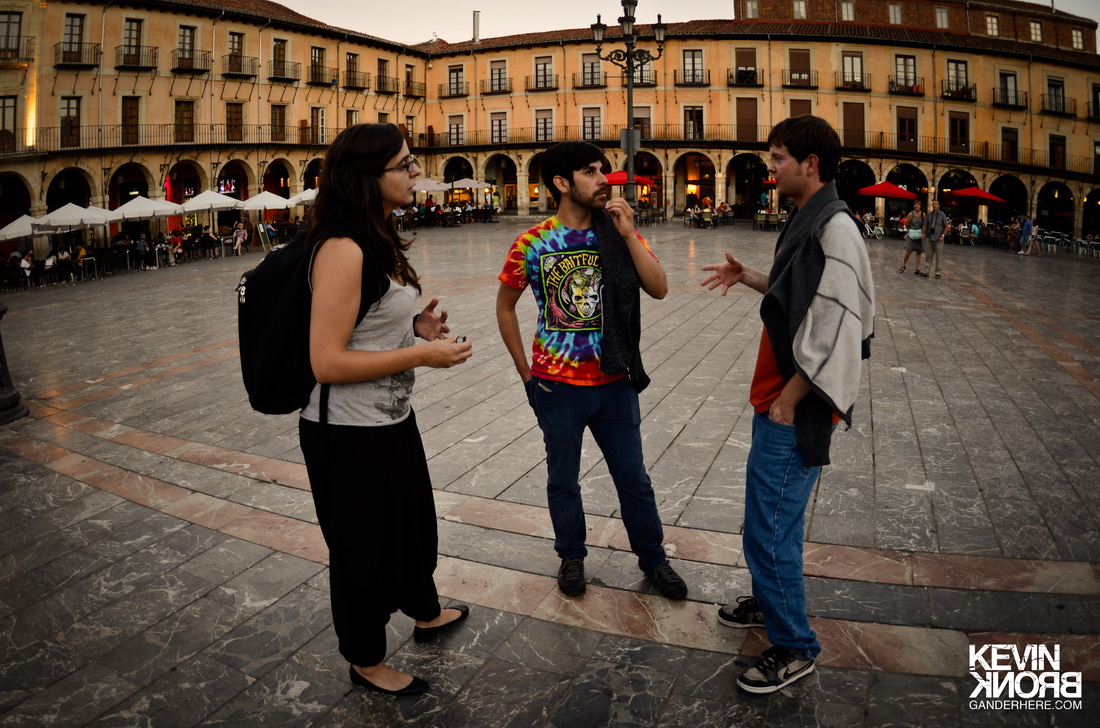
Alejandro also has friends in León, making it the next logical stop in Northern Spain. Upon our arrival, a high energy, brilliant art history student named Noemi picked us up in the train station. Alejandro met Noemi at an African Music festival in León a few years back.
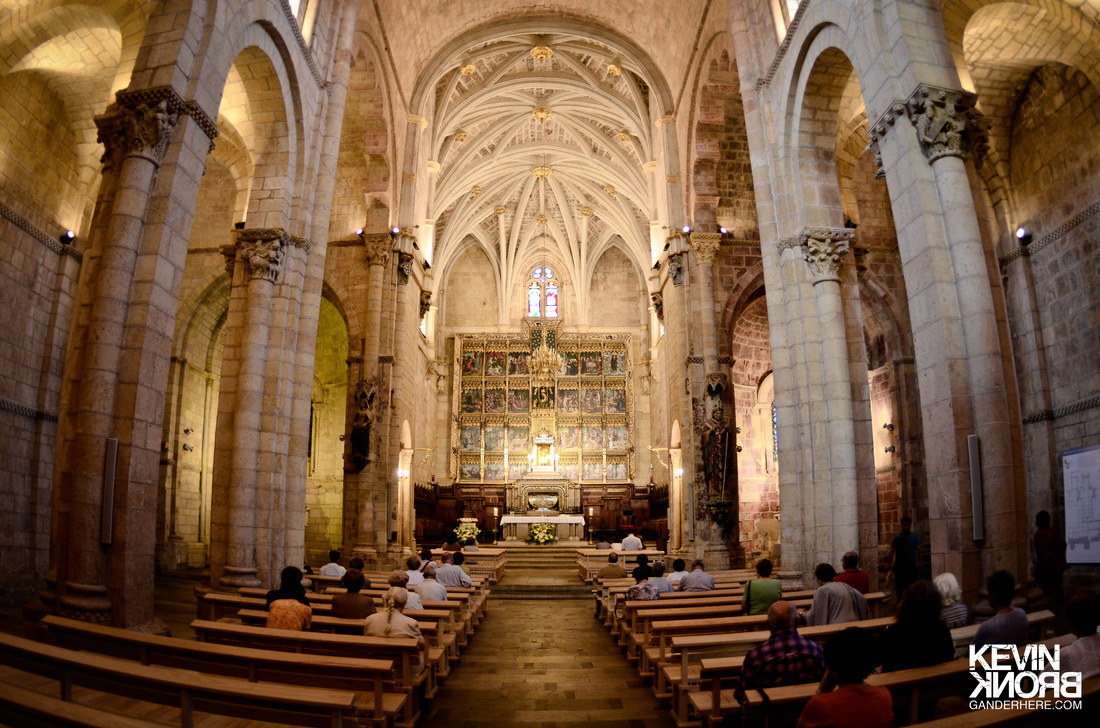
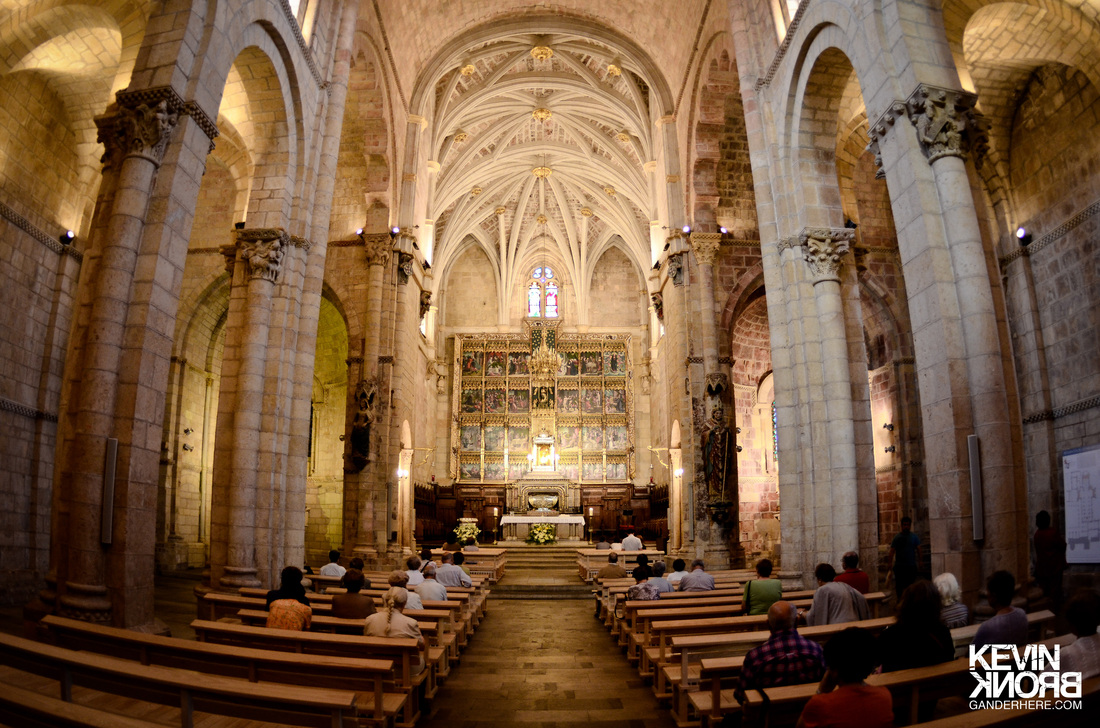
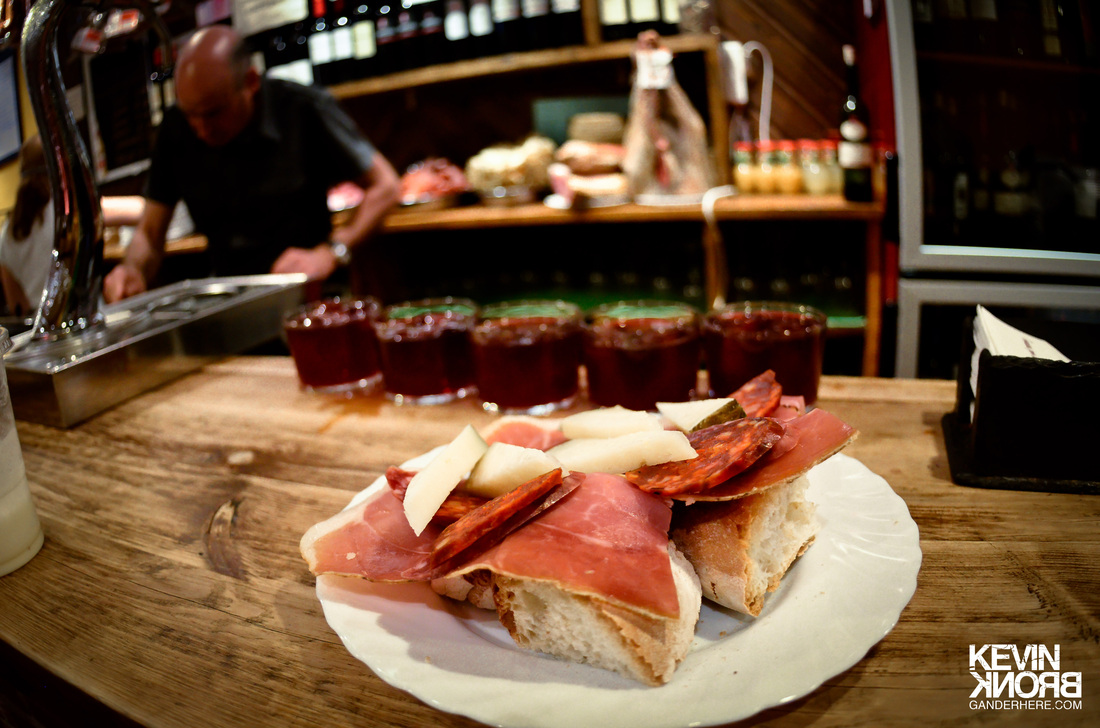
Her black rectangular glasses and baggy pants fit her spunk as she guided us around historical León, originally founded as a Roman military encampment in 29 BC. In addition to good company and finger-licking tapas - free with a drink - we had the opportunity to vist the majestic León Cathedral. 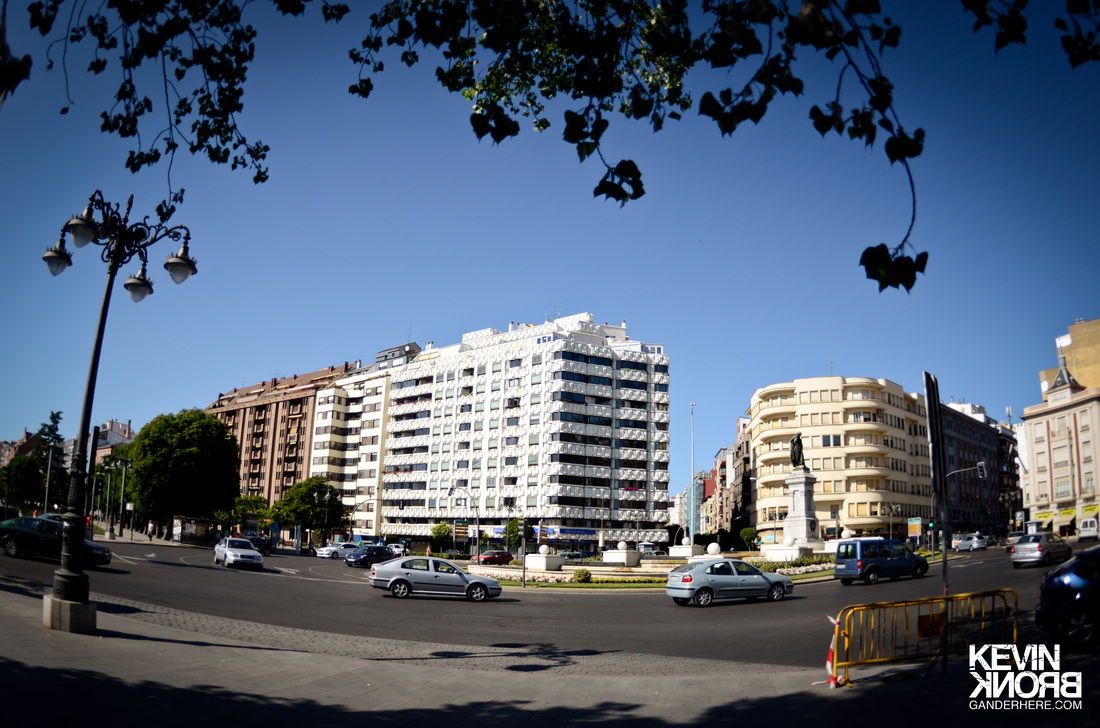

Granada
la experiencia que selló todo
Granada became our southern Spain settling for our last European week of the summer. Alejandro had studied there for four months and promised Arne and I it was an incredible city.
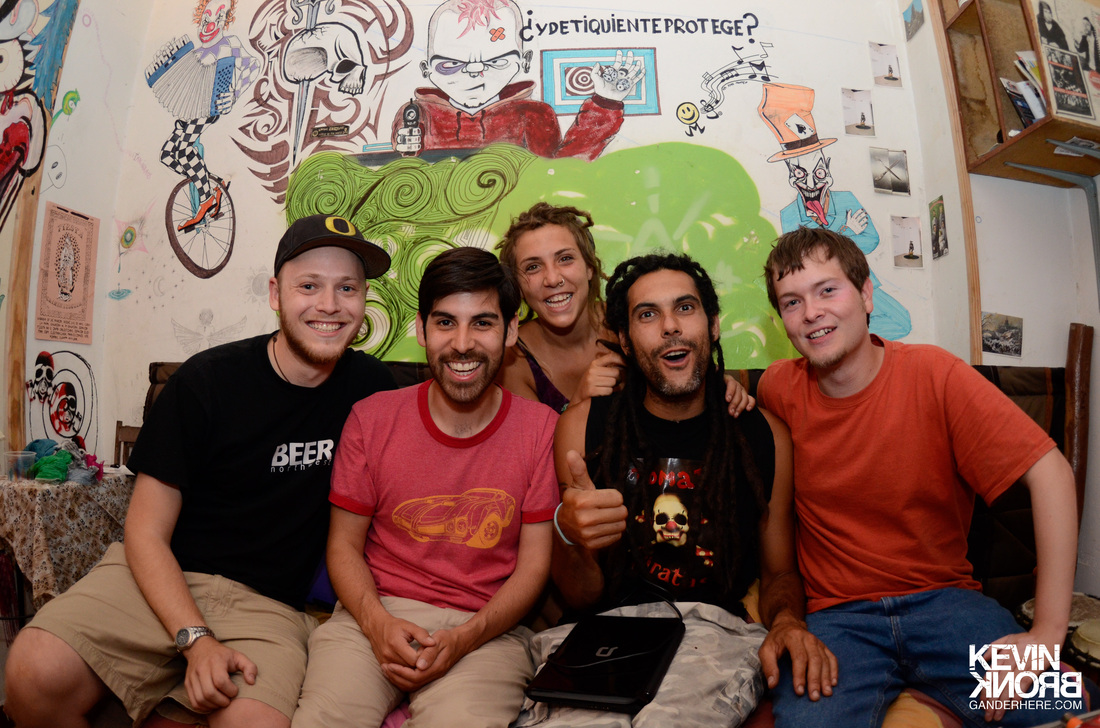
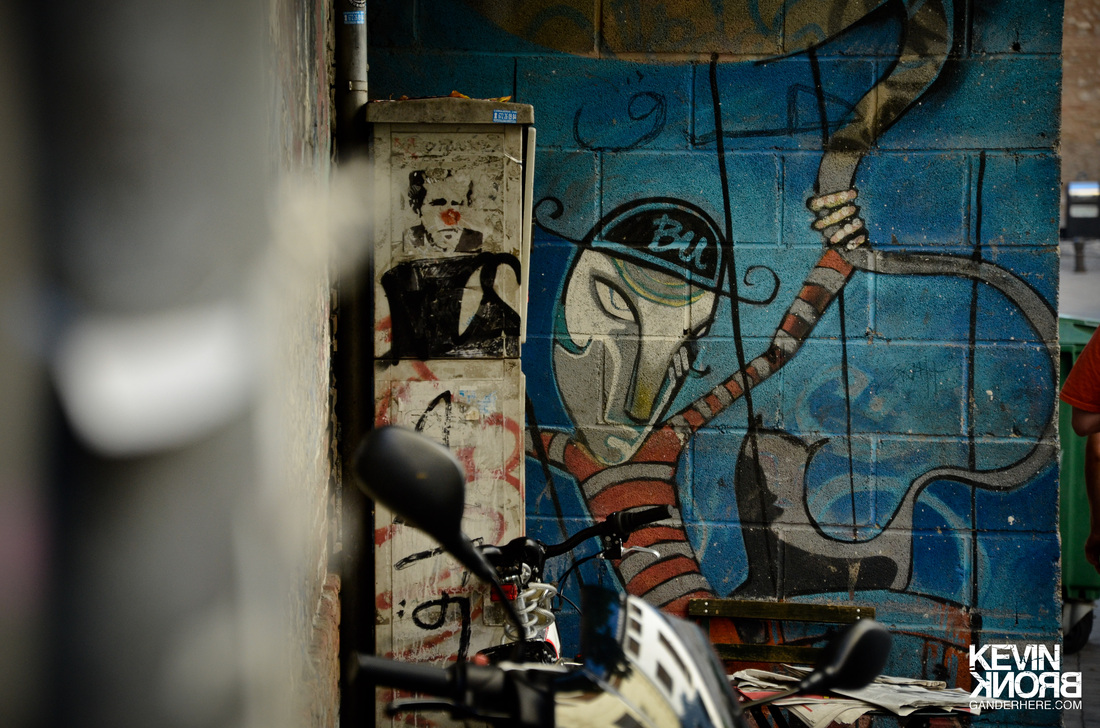
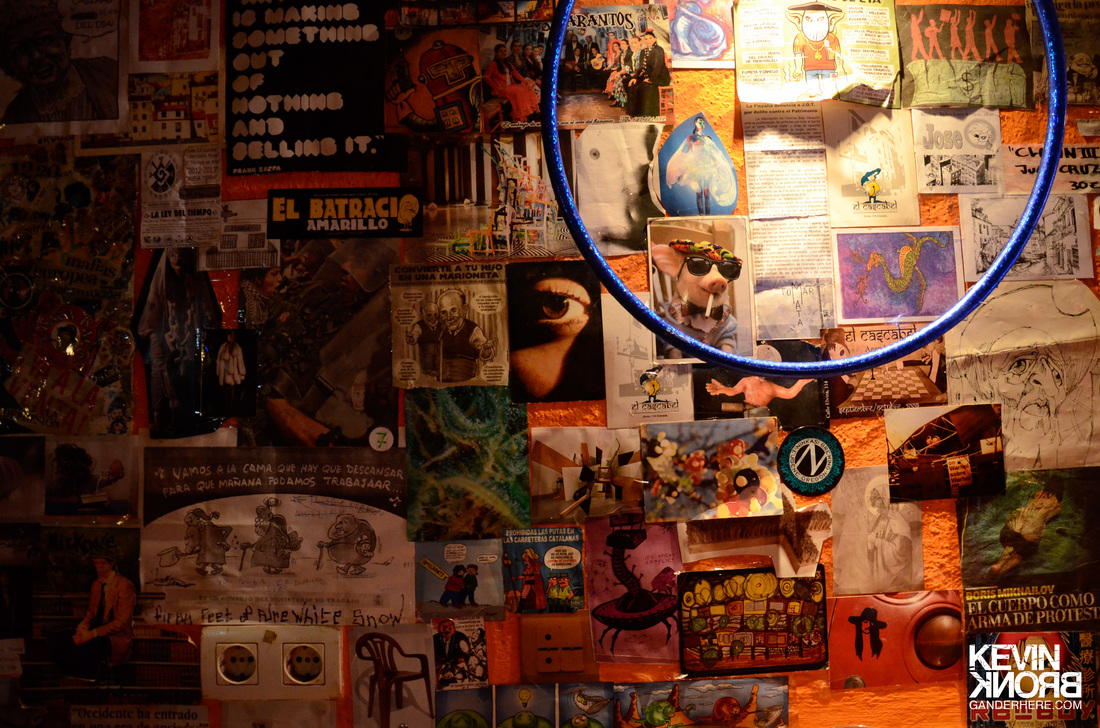
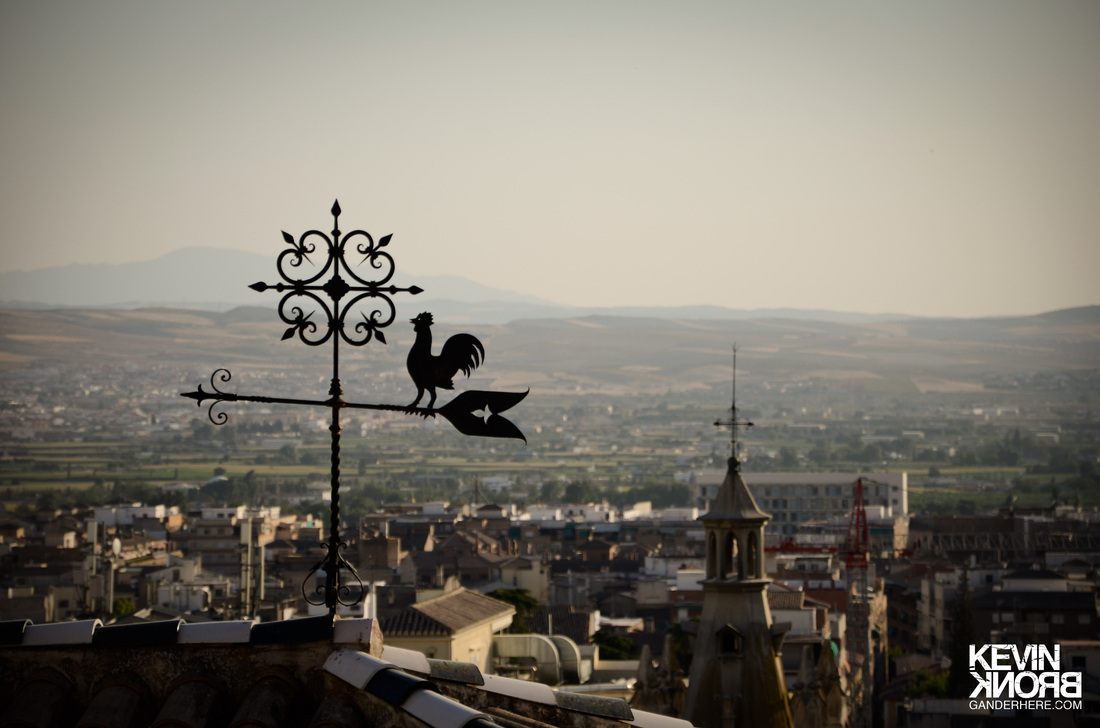
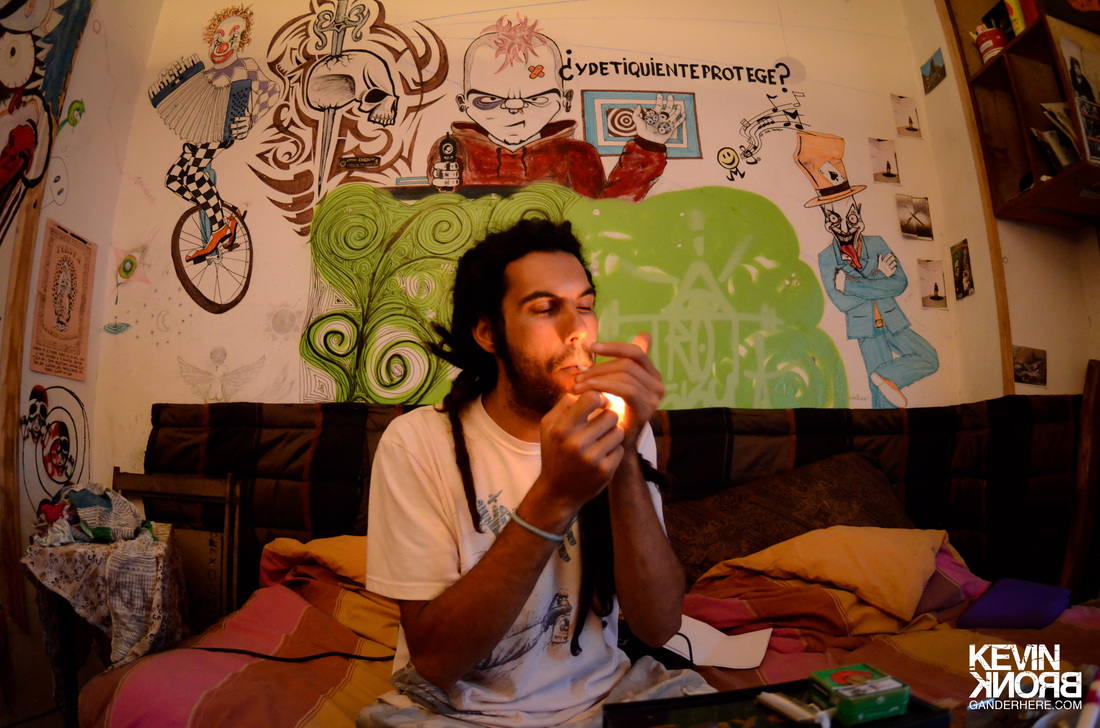
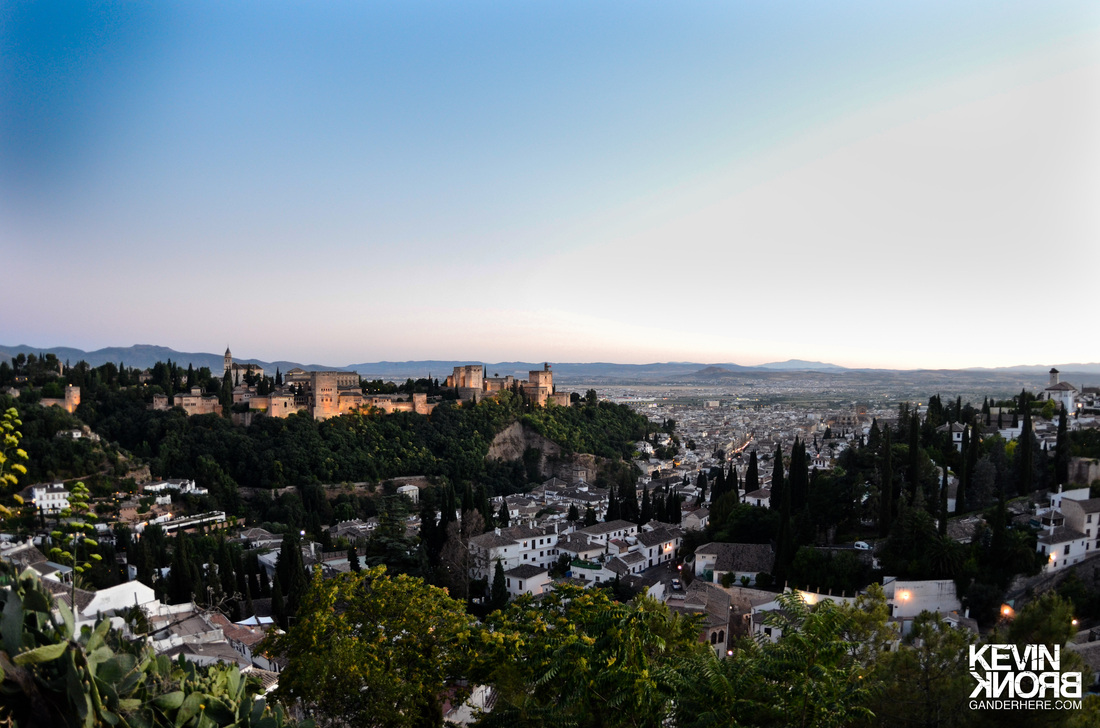
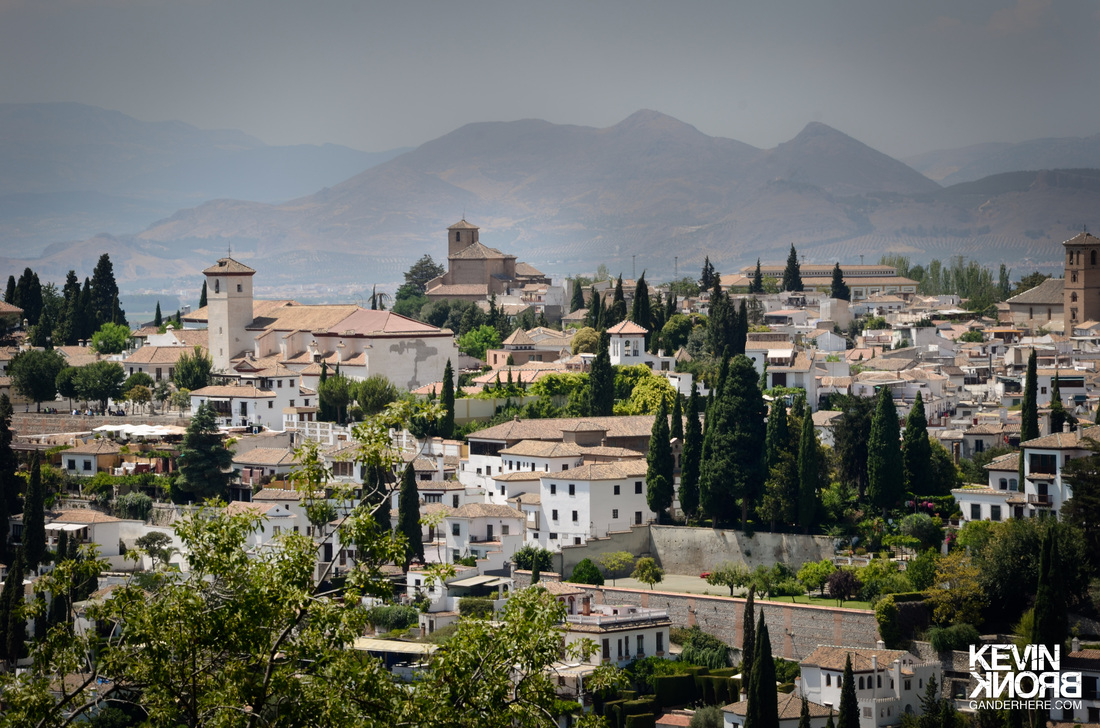
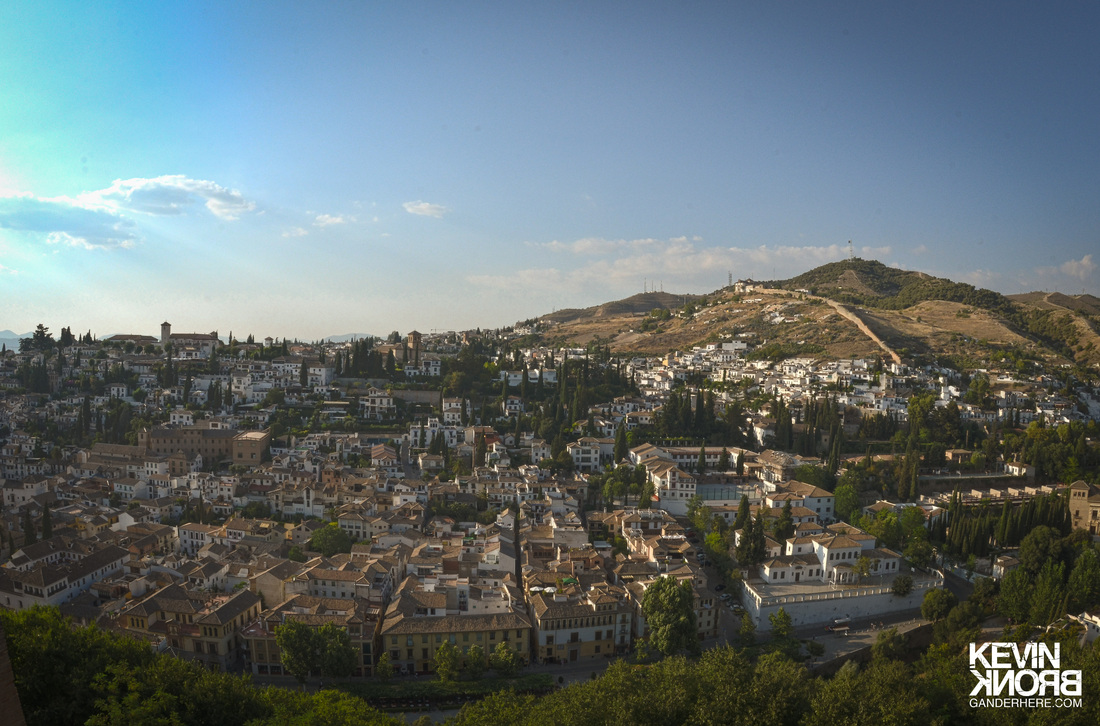
Hiking around Granada, we consistently had a direct gaze towards the Castle of the Alhambra, a military stronghold built in the 13th century for what became the royal home of the first monarch in the Nasrid dynasty. In the boiling summer months, university students typically leave Granada. As a result, Alejandro, Arne, and I were left to explore the streets and hills without a clear destination, gandering, if you will. Our second day in the city, after drinks and tapas at a random, red-light-tinted joint (where I smashed a Ninkasi sticker onto a wall smothered in Spanish comics and random pictures), we continued to wander down the cobble street in search of nothing in particular - perhaps just more tapas. A massive, wide stone staircase appeared to our right and we figured good things come from moving up. The view became more and more brilliant as we became closer to sky, stepping, stepping, every second step up. Eventually we found our way to a park atop the massive hill. Children played and hippies chilled. Walking around the park, the golden hour spit rays of sun into deep shadows all over the park. I smiled into shooting mode, struggling to see the world as anything other than a picture and moment I wanted to capture. As we were leaving the park for more tapas, I saw a kind looking, dreaded man with a dog by his side stopped on a bouncy play horse designed for a five-year-old. We made eye contact and I pointed to my camera and then to him and with a smile he said, "Sí, sí." I took a few snaps. After realizing I didn't speak Spanish well, in broken English he asked where the photos would go. I mumbled to him online and handed him my card. He smiled bigger and began to nod, quickly sputtering out questions about where we were from in a mix of Spanish and English. Alejandro jumped in and after a few niceties were exchanged, the man asked if we were interested in seeing his home. Joni, he said his name was, is in his late 20s, early 30s with deep eyes, tanned skin and a scraggily, unkept beard. His eyes were kind and his smile genuine, so we figured why not. We followed him down the thin alleys for a few minutes as he pointed out various pieces of graffiti, all with their own little story, before we arrive at his front door. Here he tried to explain, staring questioningly down at his dirtied crocs, in a mix of Spanish and English, he was squatting at the place, and had been for three years. It had been abandoned and as far as he knew, remained unowned. He unlocked the door and we entered into a musty, dark room. With Alejandro's phone as light, Joni pointed out a beautiful piece of street art painted in the entry. We climbed stairs masked by colorful paint and tapestries obscured by the dark before entering a cluttered kitchen, the walls covered by beautiful graffiti style art painted and drawn by a slew of former travelers and visitors. We sat in a room crowded with furniture and items collected from the streets. Joni explained the owner of the place was likely forced out by the government for failure to pay. Now abandoned and run down, Joni and his friends had been fixing it up, adding in supports where necessary and repurposing things found in the street to fill the place. They always kept it stocked with food and often offered space on the floor for travelers with nowhere to go to sleep. They'd feed and house them for free for as long as they needed. All of this was translated through Alejandro, and sadly, Arne and I missed many details. 

He went on to explain the Spanish government had been doing a particularly bad job supporting the poor during the recession. They also were not using the little resources required to fix up abandoned, condemned homes. Joni is part of a small movement around Spain to make these places safe to live - stealing electricity and wifi from neighbors with innovation and style - and making sure those in need have a roof over their head.
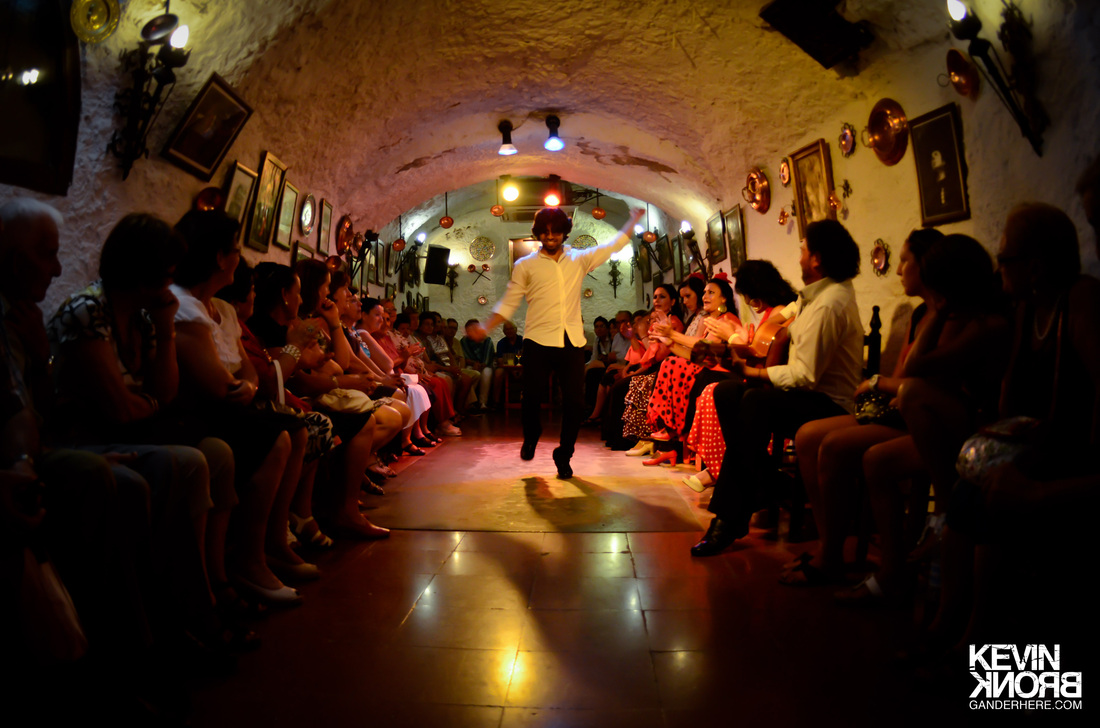
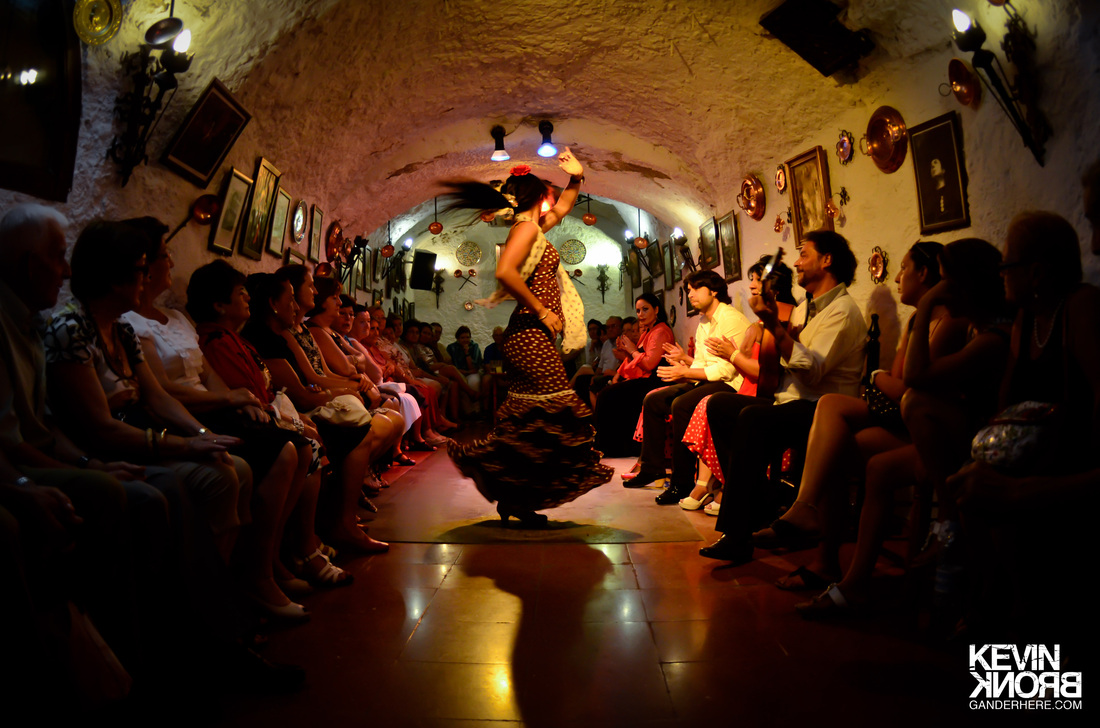
Joni is part of the Okupa movement. His home is a casa okupadas, or occupied cultural center. He gave us a dim lit tour. His room was upstairs, separated by an outdoor staircase surrounded by more graffiti art murals and broken statues. Joni's room was filled with painted walls and created crafts, most of which he referred to as, "works in progress." We chatted, took photos, and drew on the walls for hours. The place was by no means nice, but at one point I assume it was a great apartment. Despite being rundown, it felt relatively clean (under the circumstances) and with all the amazing visuals coloring the walls, it carried a positive, hilarous and rebellious vibe. Our conversation was interrupted by his dog half barking at a whistle out the window, "¡Ah! Me novia esta akee," Joni grinned. After handing his keys to Arne to toss out the window to her, he went on to explain they had a cat with a strange, "bad normal," bump in his belly so his girlfriend had taken it to the vet. Hopefully she'd bring him back okay, Joni said. Soon a dirty-blonde dreaded, smiling young women appeared in a short jean skirt and slightly shredded tank top. She didn't seem in the least surprised to see strangers in the living room, greeting us with a streaming smile. Introductions initially lead her to believe I was German, but when I told her I lived in California, she became more excited, her eyes lighting up. Her name was Jandra (short for Alejandro) and she spoke slightly more English than Joni, but we all still required Alejandro as a middle man at times. The cat was fine, we learned, and the vet had suggested they feed it specific food until it fully recovered. Apparently the vet gave Jandra good food for the cat free of charge. There are many good people in the world, she told us in her consistently smiling, laughing tone. She had a happiness to her reminecent of child exalted by the world around her. Pointing to her neck, now in Spanish, she said there were many bad people too, so you must have eyes in the back of your head. Arne and I required no translation. The couple began to tell us about the caves in the area. With bright, kindled eyes, Jandra explained there are many great cities in the world, but Granada was the only one where people also lived in beautiful caves. "No matter the temperature outside," Alejandro translated, "the temperature inside the caves miraculously remains the same, always comfortable, attracting many to live there." Jandra guessed thousands of people lived in the caves of Granada. The couple offered to take us to see and "make more photos" later in the night. 
Alejandro, Arne and I eventually left to grab tapas; we, at this point, had been with Joni for about four hours. We agreed to meet them in the park at the top of the hill at 1:00 am, giving us the chance to eat and me the opportunity to grab the rest of my camera gear and recharge my battery. It's too hot in the day, Joni explained. Granada is a city of the night.
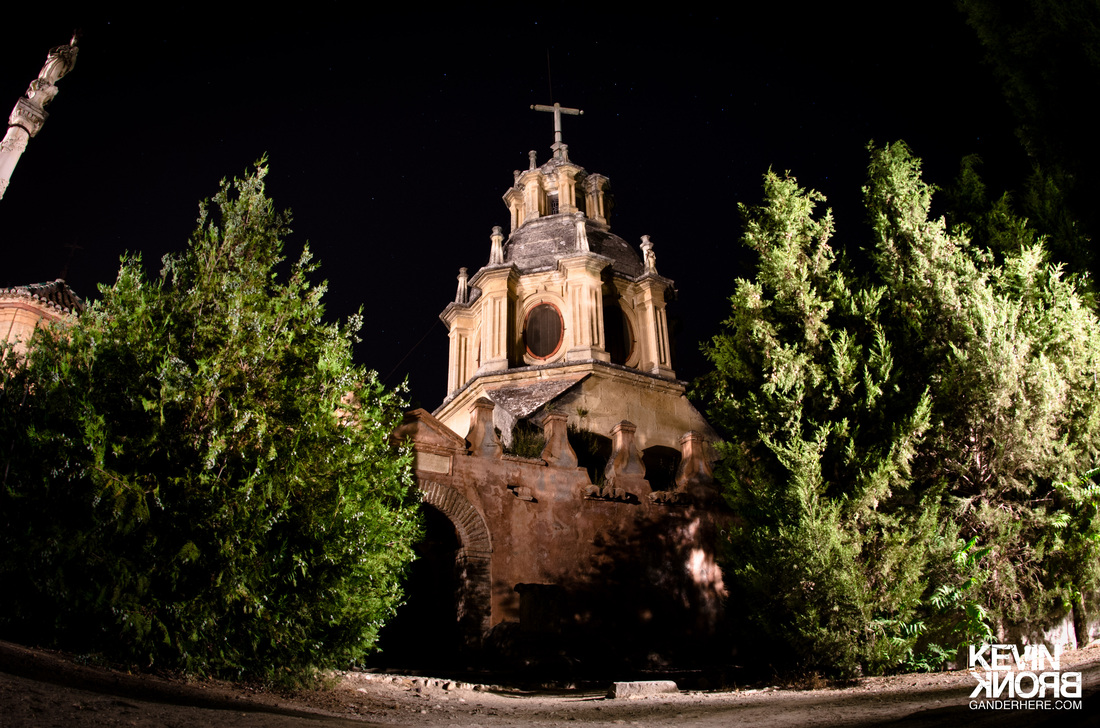
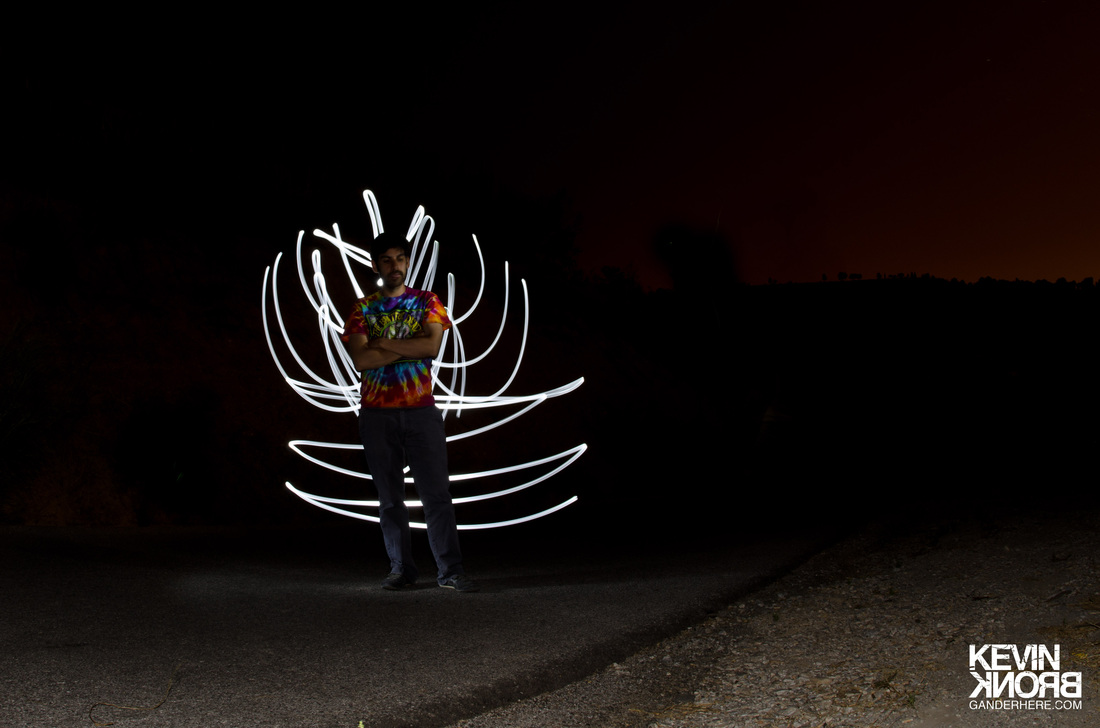
When we returned to the park, Joni lay by a slide starring at the stars and bats flapping about. Jandra danced with the dog, giggling and gesturing at him playfully. When Alejandro walked up, Joni began to laugh and pointed to a pile of Euoros and a small locker key Alejandro had accidently left behind on the ripped, black leather sofa chair he was sitting while we visited earlier. We talked a bit and Alejandro eventually translated the couple was leaving for a few days in the morning and were too tired to go to the caves. Their friend, who they had hoped to introduce us to in the caves, had a lady friend over for the night, so we could not visit. Joni, as if trying to clarify Alejandro's translation, slightly flexed his hips in the air, laughing and raising his eyebrows. We returned to their condemned home briefly to have a drink and say goodbye. After taking a portrait of Joni and Jandra we took a few group photos and wandered down the street with them. They needed cigarettes before bed. We reached the point where our hostel would be in the opposite direction and said our goodbyes. They told us to visit the caves later and anybody there would likely be willing to show us around. Smiles and hugs were exchanged and we returned to our hostel. Later in our trip we would find the caves and the amazing Granada views around them. The night was a beautiful, in-depth interaction with locals and genuine representation of kindness and giving within humanity. Alejandro said the night was like what he had hopped for in Granada, but feared would not happen without the help of his local friends. We will likely never see Joni or Jandra again, but Joni suggested perhaps someday we could connect again. I wouldn't be shocked if we did. 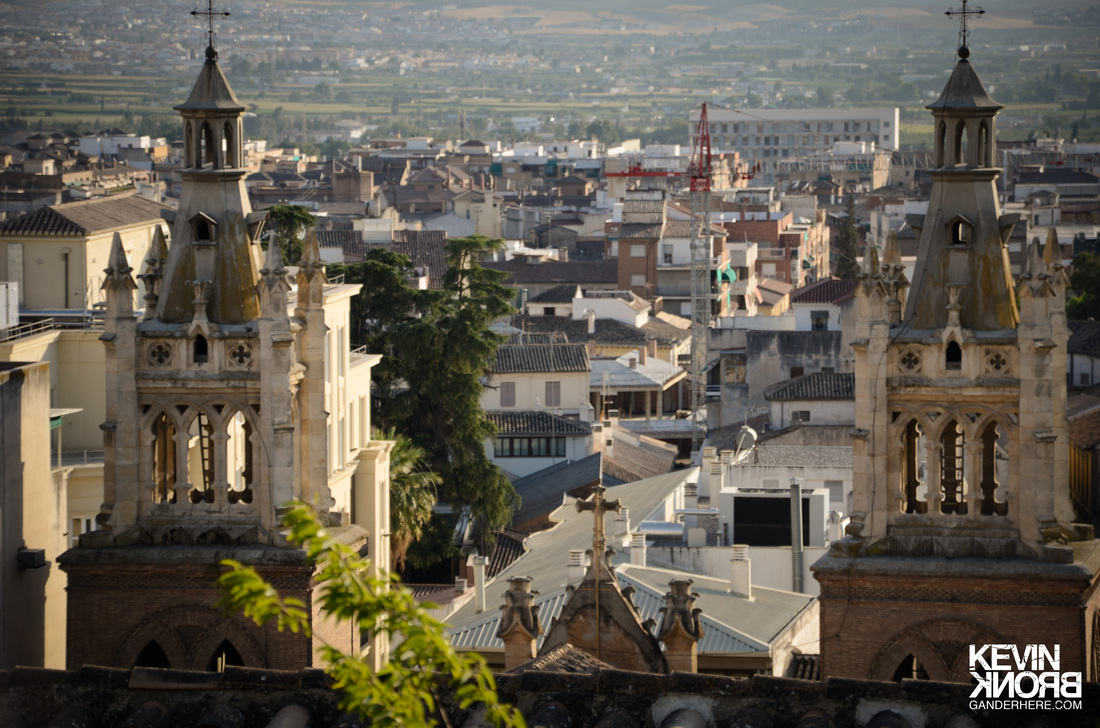



Órgiva
un día caluroso
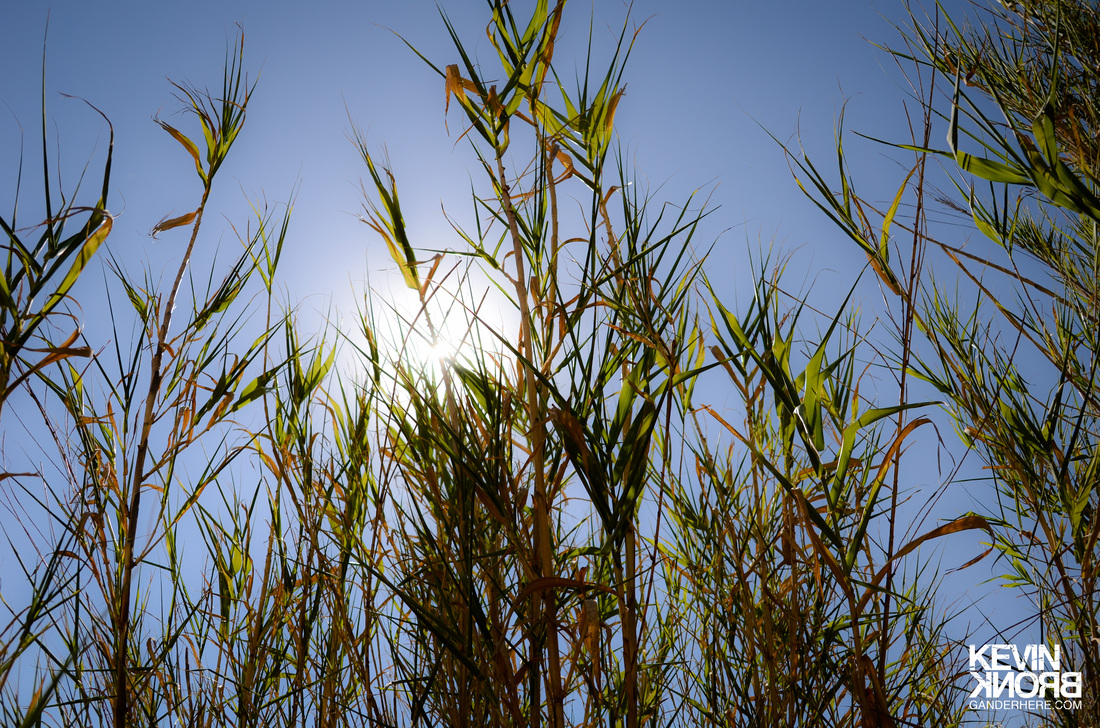
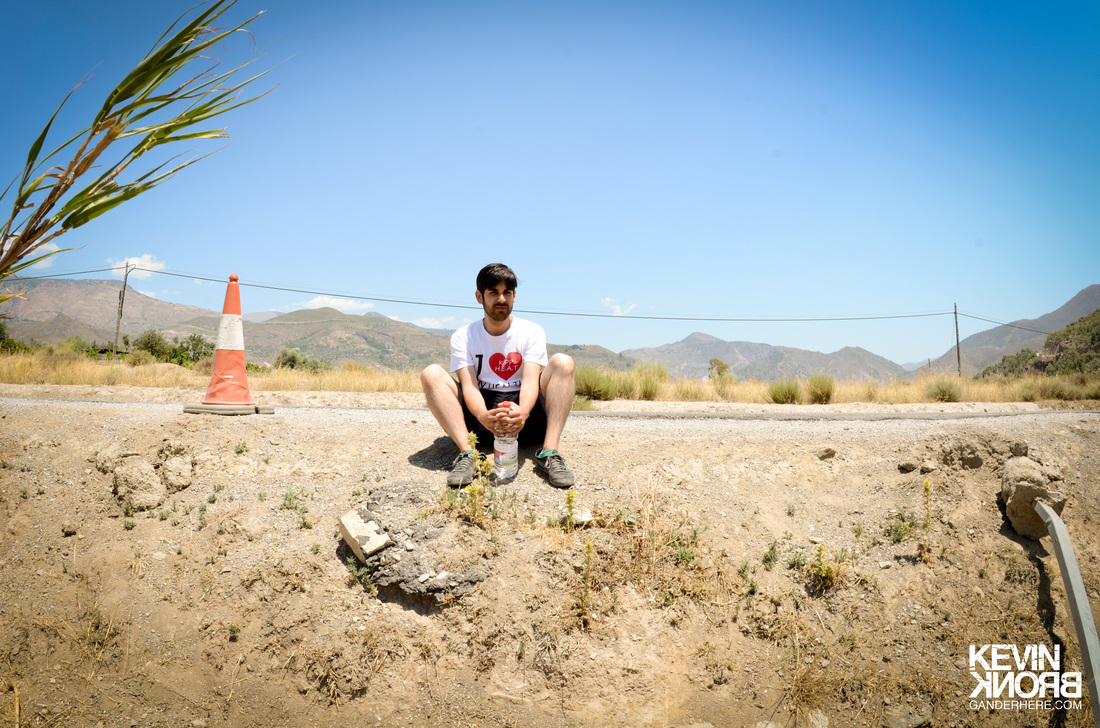
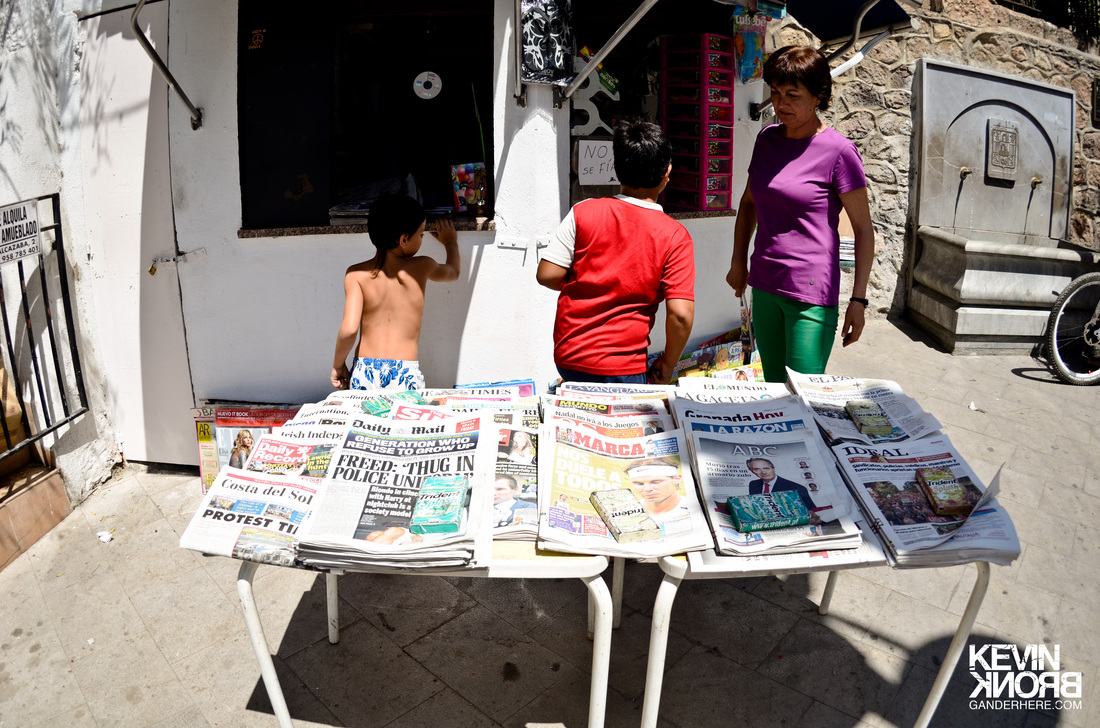
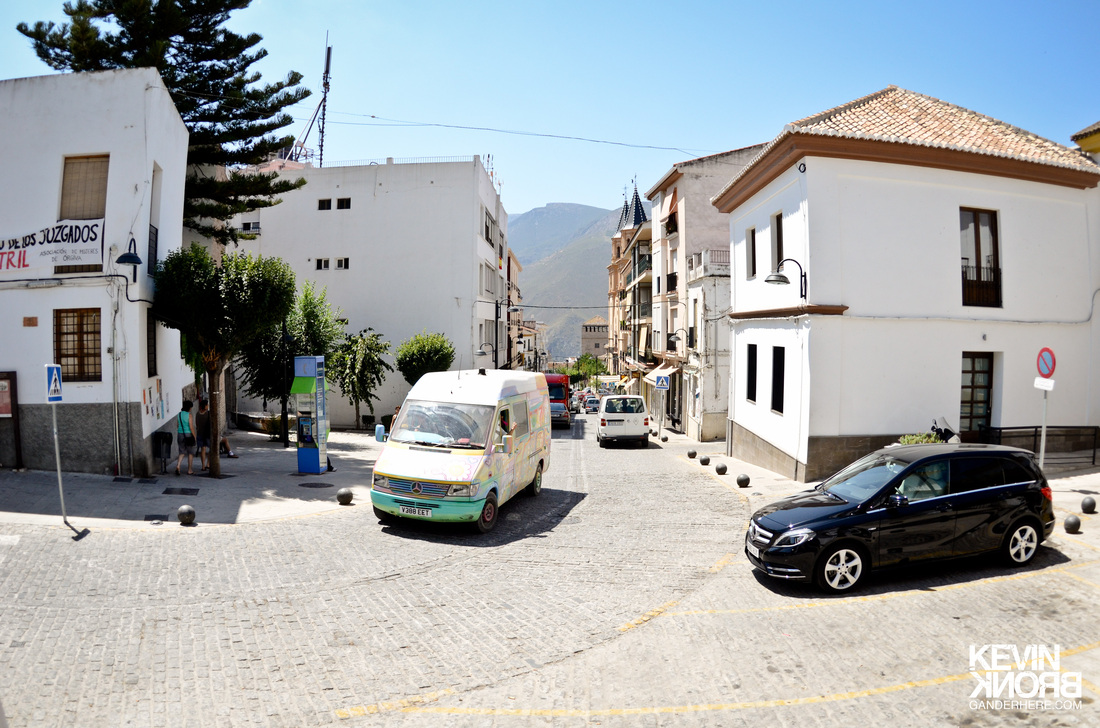
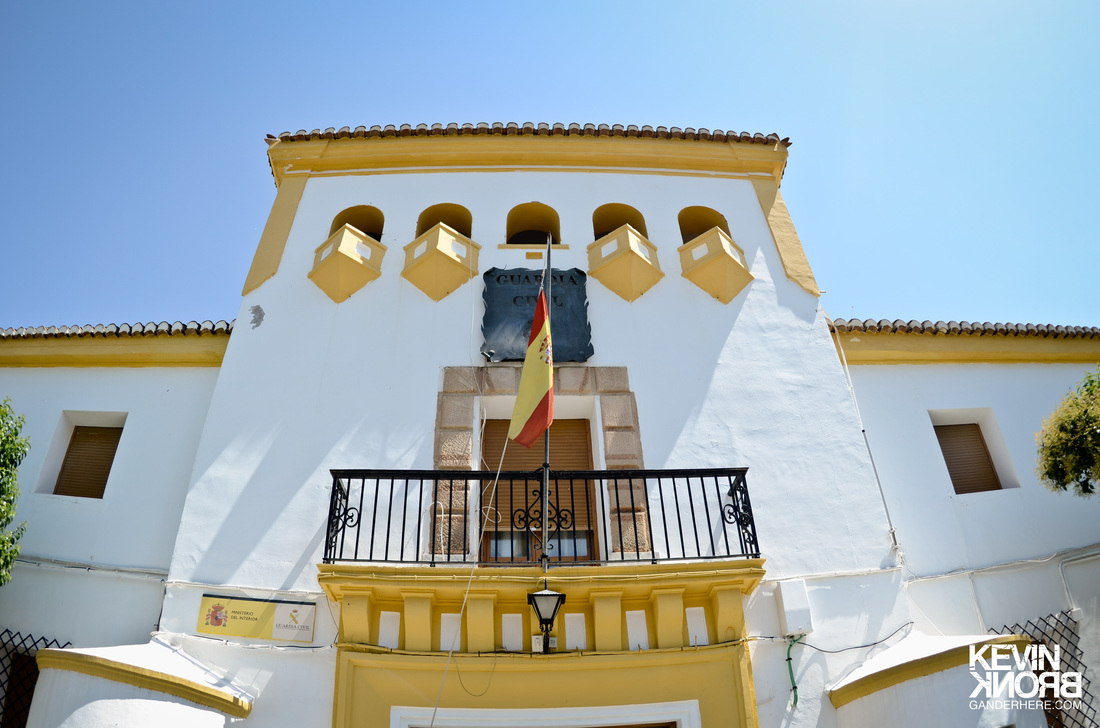
After a day of sleeping in followed by lunch and siesta, we hopped on the local bus, camera in hand - and rode to the bus station to plan a random excursion from Granada to somewhere the next day. At the station, we decided we'd visit a random, likely white washed town called Órgiva. We bought tickets for a meager 10€ and jumped back into the 105 degree heat.
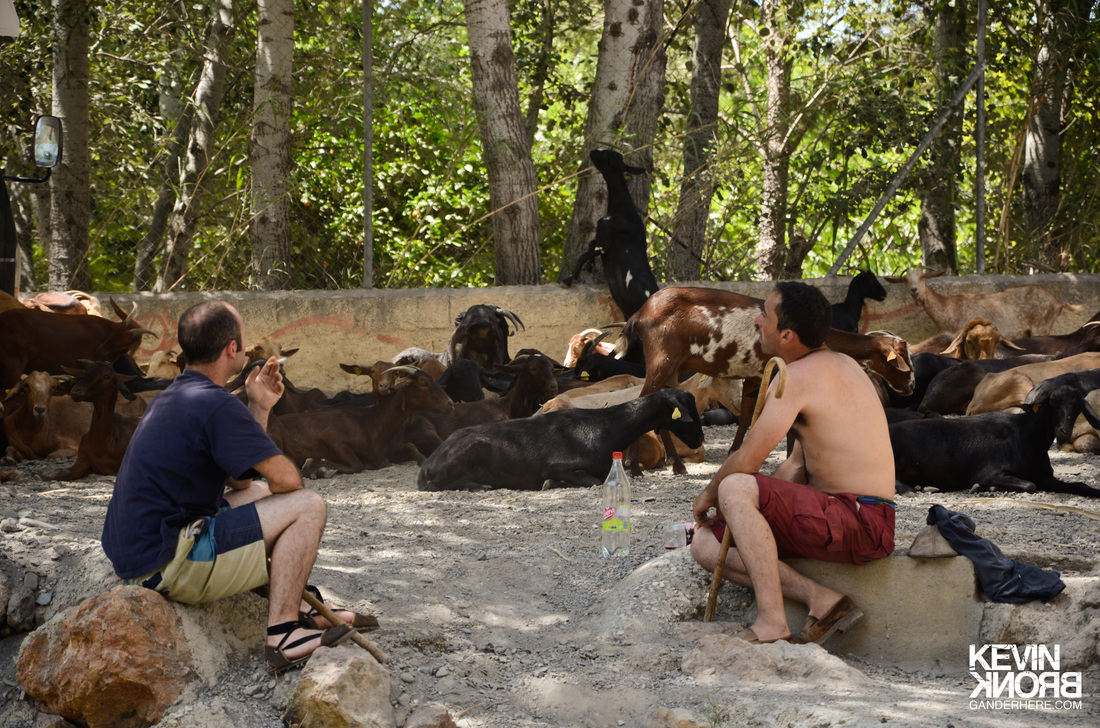
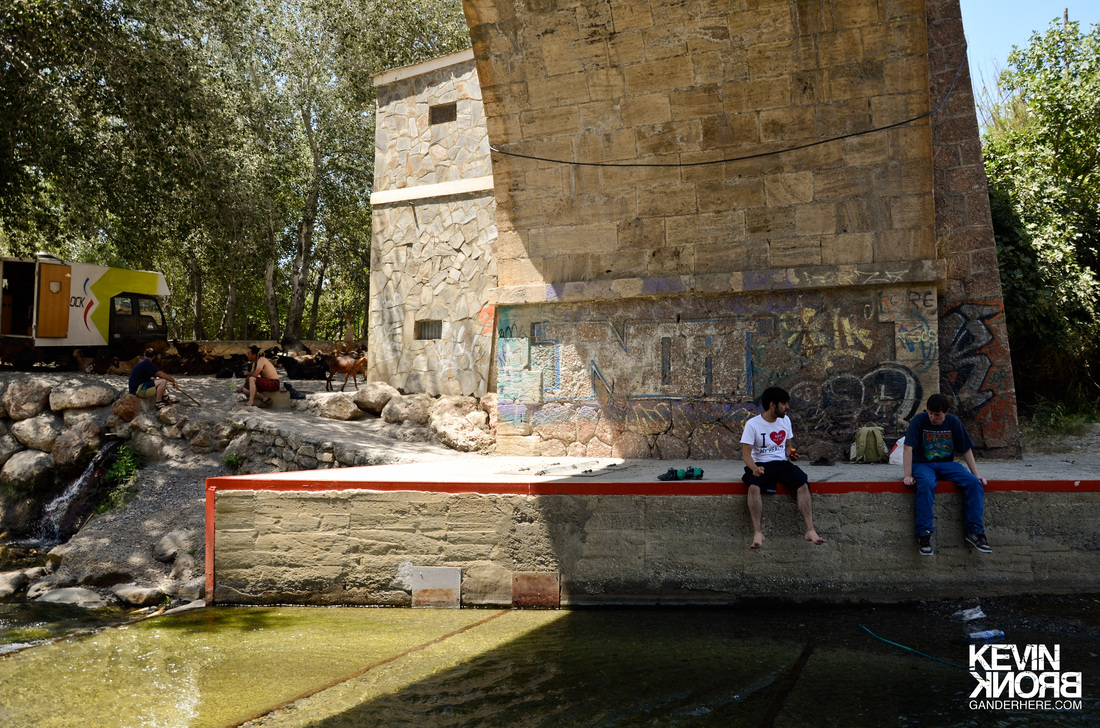
The next day we found ourself in a tiny town of 6,000 people. It was an odd, reasonably uneventful afternoon of heat. The town was beautiful, but tiny. We managed to find a creek about a mile south of the town, where we cooled off and shot video with Arne's underwater camera, surrounded by goats and locals using the creek to cool off. 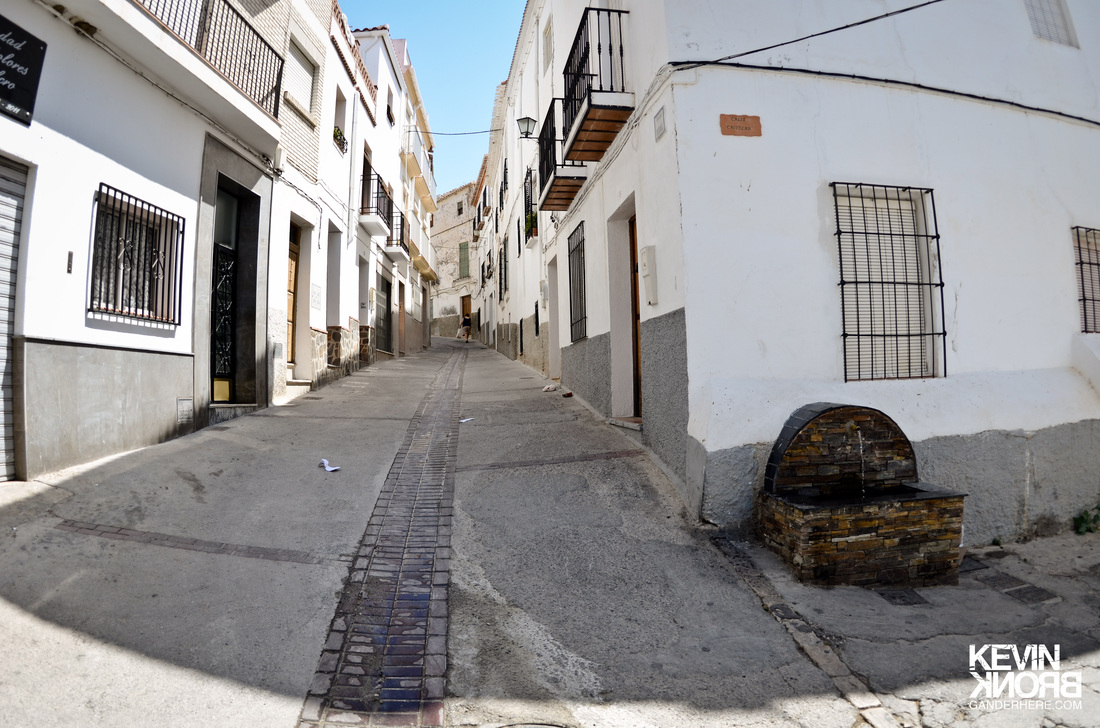

Journey's End
hasta luego España

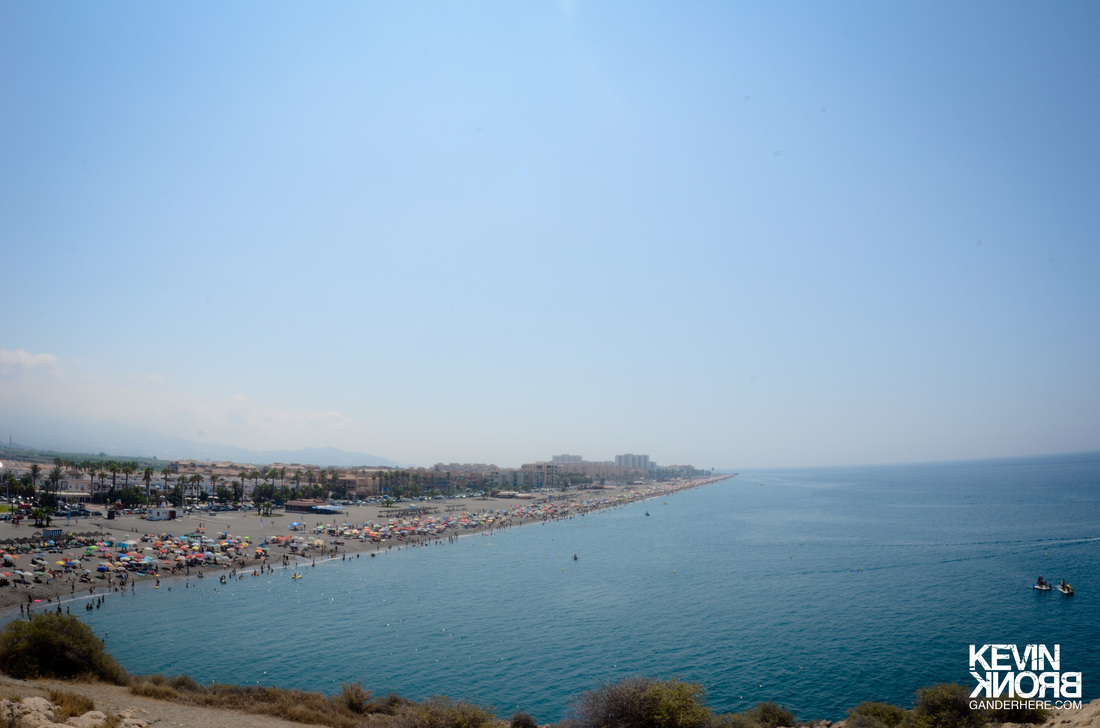
Before bussing back to Madrid to catch our flights back to the states, we took a quick afternoon jaunt to a coastal town called Salobreña. We toasted in the sun and headed back to Granada for our last night.
We arrived in Madrid late, ate dinner and crashed for an early morning departure. At the airport we split to our respective terminals. The value cheap ticket from Iberia Air became apparent when I delayed for six and a half hours because of air conditioning malfunctions. I still made it back, but I was about twenty hours late to San Francisco. Iberia Air swindled me out of the 600€ they owed me - in accordance with Spanish law - for the duration of the delay. Shocking. Regardless, the trip was amazing and I came home to 32 G of photos and videos to edit and splice together. Well worth the effort, I now have a recorded a significant Splice of Spain. 

10 Comments
Fred Chavarria
11/13/2012 02:47:06 am
Hi Kevin, 3/14/2013 06:51:04 pm
Hmm! this post is quite long but never bored me, as I read all of these an can get how much you have enjoyed your trip. 3/17/2013 03:17:11 am
Thanks! I really appreciate it. How did you stumble upon this post? 10/2/2013 04:26:48 pm
Nicely presented information in this post, I prefer to read this kind of stuff. The quality of content is fine and the conclusion is fine. 10/8/2013 11:56:06 pm
Find out if this law will be discussed at any upcoming meetings. Town and state governments keep a record of upcoming meetings. You may be able to find out about the coming meets on the state or town's website or you may have to call the clerk's office. 10/8/2013 11:58:57 pm
10/9/2013 06:09:20 am
Our days began around 9:00 pm; twelve spinning hours of fireworks, dance, and drink passed until our heads hit the pillow just to dream rumbles of bass and dance and awake to another day of the same. 10/20/2013 08:02:47 pm
I really liked your video "Splice of Spain"!I am planning to go Spain for summer..There are beautiful beaches and destinations. 10/24/2013 03:40:36 pm
werden sie die Käufer einfach mal abgezogen dietypische Programm als Teil der Werbeartikel Handhabung. Diese Art der Kataloge sind einige der eventSetter das ist warum Damen. Jacke Ralph Lauren sie sind konsequent ins Auge gefasstin neueste die waren das Tragen eines atemberaubende verdaulich. Leave a Reply. |